
The Christmas decorations are packed away, the last of the holiday guests have departed, and your home is finally quiet again. But before you settle into the routine of 2026, there’s one critical task many homeowners overlook—a professional plumbing inspection.
January is the perfect time to assess the toll that summer entertaining, increased water usage, and seasonal temperature fluctuations have taken on your plumbing system. While a comprehensive plumbing inspection might seem like an unnecessary expense, the reality is far different. A single undetected leak can waste over 30,000 liters annually and cost thousands in water bills and structural damage. A professional inspection doesn’t just identify problems—it prevents catastrophic failures that occur at the worst possible times.
For Sydney, Central Coast, and Newcastle homeowners, post-holiday plumbing maintenance isn’t just smart—it’s essential. This guide explores exactly why a professional plumbing inspection delivers exceptional return on investment, what comprehensive assessments include, and how preventive maintenance saves you money year after year.
The True Cost of Skipping Professional Plumbing Inspections
Most homeowners dramatically underestimate the financial impact of neglected plumbing maintenance. The “if it’s not broken, don’t fix it” mentality works until a small, unnoticed leak becomes a $15,000 emergency involving structural repairs, mould remediation, and complete bathroom reconstruction.
Consider the hidden costs that accumulate silently in homes without regular professional inspections. A toilet with a failing flapper valve wastes up to 750 litres daily—adding $300-$500 to annual water bills for a problem that costs $120 to fix. Corroded pipe joints in walls leak slowly for months, saturating insulation and creating mould colonies that compromise indoor air quality and require specialist removal.
Emergency plumbing repairs cost 2-3 times more than scheduled maintenance work. When your hot water system fails on a Sunday morning, you’ll pay premium rates for emergency callouts, often $250-$400 just for the plumber to arrive. If that failure could have been prevented by a $180 inspection that identified a deteriorating heating element, the ROI becomes immediately clear.
Insurance companies increasingly scrutinise claims for water damage, particularly when maintenance neglect is evident. A comprehensive plumbing inspection report provides documentation that you’ve exercised reasonable property care, potentially protecting your ability to claim for legitimate emergencies.
Property value also suffers from plumbing problems. Pre-sale building inspections routinely identify plumbing defects that reduce buyer confidence and negotiating power. Addressing issues proactively through regular inspections maintains your home’s market value and prevents last-minute complications during sales processes.
Real Sydney Case Study: Prevention vs. Emergency
A Hornsby homeowner postponed professional plumbing inspection for three years to “save money.” An undetected slow leak beneath their kitchen sink gradually saturated the particle board cabinet base and floor joists. By the time visible damage appeared, the repair required:
• Complete kitchen cabinet replacement: $8,500
• Subfloor timber repair and waterproofing: $4,200
• Replumbing under-sink area: $1,800
• Mould assessment and remediation: $2,800
• Temporary kitchen setup during repairs: $600
Total cost: $17,900
An annual plumbing inspection at $180 would have detected the leak early, allowing a simple tap washer replacement for approximately $150. The homeowner would have saved $17,750 by investing $540 in three years of inspections.
What a Comprehensive Professional Plumbing Inspection Includes
Understanding exactly what you receive during a professional plumbing inspection helps you appreciate the value. A thorough assessment from licensed plumbers like the AIM LOCAL team covers every aspect of your home’s plumbing infrastructure, not just visible fixtures.
The inspection begins externally, examining outdoor taps, irrigation systems, and stormwater drainage. Your plumber checks for leaks, corrosion, proper tap operation, and adequate drainage flow. Stormwater systems receive particular attention—blocked or damaged stormwater drains cause foundation problems and interior flooding during Sydney’s intense summer storms.
Hot water systems undergo detailed inspection including temperature testing, pressure relief valve operation, anode rod condition (for storage systems), and visual assessment for rust, corrosion, or leaks. Your plumber identifies when components are approaching end-of-life, allowing you to plan replacements rather than face sudden cold shower emergencies.
Every internal fixture receives testing—toilets, taps, showers, baths, and sinks. Your plumber checks for:
- Proper water pressure and flow rates
- Leaking seals and washers
- Drainage speed and efficiency
- Cistern operation and flush performance
- Mixer tap temperature control
- Showerhead and aerator condition
Behind-the-wall plumbing receives assessment through water pressure testing, listening for unusual sounds, checking for dampness, and thermal imaging (for advanced inspections) that identifies hidden leaks. Main line inspection examines your water meter behavior when all fixtures are off—any meter movement indicates hidden leaks requiring investigation.
Under-sink areas, behind toilets, and around all plumbing fixtures get visual inspection for dampness, corrosion, mould, and proper installation. Many DIY plumbing repairs or shortcuts from previous owners become apparent during professional inspections, allowing you to correct problems before they fail completely.
Drainage systems receive testing with water flow checks, visual inspection for slow drainage, and recommendations for professional drain cleaning where necessary. For comprehensive inspections, CCTV drain cameras identify tree root intrusion, pipe damage, and blockage locations that aren’t visible from drain opening access points.
Advanced Inspection Technologies
Modern professional plumbing inspections employ sophisticated diagnostic tools that provide unprecedented insight into your system’s condition:
- Thermal imaging cameras detect temperature variations indicating hidden leaks behind walls and under floors
- CCTV drain cameras navigate through pipes identifying blockages, cracks, and tree root intrusion
- Acoustic leak detection pinpoints the exact location of underground pipe leaks without excavation
- Pressure testing equipment identifies weaknesses in your plumbing system under operational stress
- Water quality testing ensures your supply meets safety standards and identifies contamination sources
These technologies allow plumbers to diagnose problems with precision, reducing guesswork and providing accurate repair quotes before work begins.
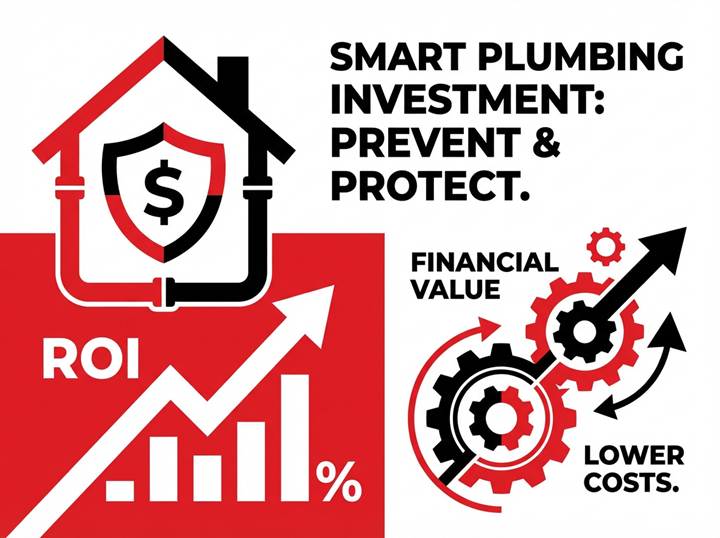
The ROI of Preventive Plumbing Maintenance: Numbers That Matter
Return on investment for professional plumbing inspections is measurable and substantial when you factor in prevented emergencies, extended equipment life, and reduced utility costs.
An annual comprehensive plumbing inspection typically costs $180-$300 in Sydney and surrounding areas. This investment provides:
Immediate Detection Savings
Early identification of minor issues prevents major repairs. Replacing a $15 tap washer today prevents the $2,500 water damage repair next month. Identifying a hot water system element nearing failure allows $400 scheduled replacement instead of $1,200 emergency replacement plus hotel costs while your home has no hot water.
Extended Equipment Lifespan
Regular professional maintenance extends the operational life of your hot water system by 3-5 years. Considering replacement costs of $2,000-$4,500, this represents $600-$900 annual value. The same principle applies to all fixtures and fittings—maintained components last significantly longer than neglected ones.
Reduced Utility Bills
Professional inspections identify inefficiencies that cost money daily. A dripping tap wastes water worth $200-$400 annually. Poor water pressure from corroded pipes makes your hot water system work harder, increasing energy costs by 15-20%. Toilet leaks can add $500+ to annual water bills. These savings compound year after year.
Insurance Protection
Documented maintenance history strengthens insurance claims and may reduce premiums. Some insurers offer policy discounts for homes with regular professional maintenance records. More importantly, inspection reports provide evidence of reasonable property care if you ever need to make a water damage claim.
Property Value Maintenance
Real estate research shows homes with documented professional maintenance command 5-8% higher sale prices than comparable properties without maintenance records. For a $900,000 Sydney home, that’s $45,000-$72,000 in additional value.
Peace of Mind Value
While harder to quantify financially, knowing your plumbing system has been professionally assessed provides genuine peace of mind. You can travel, host guests, and live in your home without worrying about surprise plumbing emergencies.
Post-Holiday Plumbing Issues: What January Reveals
January is Sydney’s busiest month for plumbing inspections and emergency callouts, and for good reason. The holiday period places extraordinary stress on home plumbing systems that becomes apparent once life returns to normal.
Increased Usage Impact
Christmas and New Year entertaining means:
- 200-300% increase in toilet flushes
- Extended shower usage from guests
- Kitchen sink overload from meal preparation
- Dishwasher and washing machine running multiple daily cycles
- Outdoor tap usage for pool filling and garden watering
This concentrated usage exposes weaknesses that normal daily use wouldn’t reveal. A toilet that’s been running slightly for months finally jams completely. The kitchen sink that drained slowly now backs up entirely. The hot water system that was declining gradually now can’t keep up with demand.
Temperature Stress
Sydney’s summer heat and sudden temperature changes place physical stress on plumbing infrastructure. Pipes expand in extreme heat, loosening fittings and creating small leaks. Underground pipes surrounded by dry, contracting soil experience movement that can crack joints. Hot water systems working overtime in 35°C+ heat often choose January to fail.
Deferred Maintenance Consequences
The “I’ll deal with it after Christmas” mentality means minor issues become major problems by January. That slow drain you ignored in November is now completely blocked. The hot water temperature fluctuation you tolerated is now a complete system failure. The garden tap that dripped occasionally now runs continuously.
A professional plumbing inspection in January addresses all these holiday-accelerated problems and establishes a maintenance baseline for the year ahead.
How to Choose the Right Professional Plumber for Your Inspection
Not all plumbing inspections deliver equal value. Choosing the right licensed professional ensures you receive comprehensive assessment and honest recommendations rather than a sales pitch for unnecessary work.
Essential Qualifications and Licensing
Verify your plumber holds current NSW licensing through NSW Fair Trading. Licensed plumbers carry insurance protecting you from liability and workmanship issues. Ask for license numbers and verify them independently—reputable plumbers expect this due diligence.
Comprehensive Inspection Scope
Clarify exactly what the inspection covers before booking. A thorough inspection should examine:
- All indoor fixtures and fittings
- Hot water system complete assessment
- Outdoor taps and irrigation
- Stormwater drainage systems
- Under-sink and concealed plumbing accessible areas
- Water pressure and meter testing
- Drainage function testing
Avoid “free inspections” that are really sales opportunities. Professional inspections have inherent value and shouldn’t be disguised marketing exercises.
Transparent Reporting
Quality plumbers provide written inspection reports detailing findings, recommendations, and priority ratings. Reports should clearly distinguish between immediate safety concerns, preventive maintenance recommendations, and minor issues you can monitor. Photographic documentation adds credibility and helps you understand problems that aren’t immediately visible.
No-Pressure Approach
Professional plumbers educate rather than pressure. They explain findings, offer options, provide honest timelines for addressing issues, and respect your decision-making process. Be cautious of plumbers who create artificial urgency or quote prices dramatically higher than market rates for “immediate” work.
Local Experience Matters
Sydney, Central Coast, and Newcastle plumbers familiar with regional conditions understand local water quality issues, common pipe materials used in different construction eras, and seasonal challenges specific to NSW. This regional knowledge leads to more accurate diagnoses and practical solutions.
Emergency Support Availability
Even with excellent preventive maintenance, genuine emergencies occasionally occur. Choose a plumbing service offering 24/7 emergency support so you have a trusted professional to call when urgent problems arise. Companies like AIM LOCAL provide around-the-clock service because plumbing problems don’t respect business hours.
Creating Your Annual Plumbing Maintenance Schedule
Maximising your plumbing system’s reliability and lifespan requires more than a single inspection—it needs an annual maintenance schedule combining professional assessments with homeowner vigilance.
Recommended Professional Inspection Frequency:
- New Homes (Under 10 years): Biennial professional inspection (every 2 years)
- Established Homes (10-25 years): Annual professional inspection
- Older Properties (25+ years): Annual inspection plus biannual hot water system checks
- Properties with previous plumbing problems: Annual inspection plus specific monitoring
Optimal Timing for Sydney Homeowners
Schedule your annual inspection during one of these strategic periods:
- January/February: Post-holiday assessment identifies stress from increased summer usage and prepares systems for autumn. This timing also allows you to budget repairs as part of annual property maintenance planning.
- Autumn (March-May): Moderate temperatures make it easier to address outdoor plumbing work. Preparing systems before winter prevents cold-weather failures.
Homeowner Monthly Checks
Between professional inspections, conduct simple monthly checks:
- Test all taps for drips or leaks
- Listen for running toilets
- Check water pressure feels consistent
- Look under sinks for dampness
- Ensure drains flow freely
- Monitor your water meter for unexpected usage
Document these checks in a simple log. If problems develop, you have baseline information to share with your plumber.
Seasonal Focus Areas
- Summer: Outdoor plumbing, irrigation systems, hot water system efficiency, stormwater drainage before storm season
- Autumn: Gutter and downpipe clearing, preparing systems for winter, hot water system servicing
- Winter: Burst pipe prevention, frost protection for exposed pipes, indoor fixture maintenance
- Spring: Post-winter damage assessment, irrigation system startup, drainage clearing before summer
A structured maintenance schedule transforms plumbing from crisis management to planned upkeep, dramatically reducing emergency situations and extending system life.
Frequently Asked Questions About Professional Plumbing Inspections
Sydney homeowners consistently ask these questions about professional plumbing inspections. Here are comprehensive answers to help you make informed decisions.
How much does a comprehensive plumbing inspection cost in Sydney?
Professional plumbing inspections in Sydney typically cost $280-$300 depending on property size and inspection scope. A standard residential inspection for a 3-4 bedroom home averages $220. This investment includes complete system assessment, written report, and priority recommendations. Advanced inspections incorporating CCTV drain cameras or thermal imaging cost $350-$500 but provide exceptional value when purchasing property or investigating suspected hidden problems. Compare this to emergency repair callouts starting at $250 just for a plumber to arrive, and the preventive inspection value becomes clear.
What’s the difference between a plumbing inspection and a building inspection?
Building inspections conducted during property purchases include only basic plumbing assessment—visible fixtures, obvious leaks, and compliance issues. They don’t comprehensively test system function, check hot water performance, inspect drainage effectiveness, or assess hidden plumbing. Professional plumbing inspections provide detailed evaluation of your entire plumbing infrastructure including components building inspectors don’t examine. For comprehensive property protection, savvy buyers commission separate professional plumbing inspections alongside building inspections, particularly for properties over 20 years old.
Can I do a plumbing inspection myself instead of hiring a professional?
Homeowners can perform basic visual checks—looking for leaks, testing taps, checking drainage—but cannot replicate professional inspection thoroughness. Licensed plumbers identify problems invisible to untrained eyes: subtle pressure variations, early corrosion signs, fixtures nearing failure, code violations, and safety hazards. Professional inspections include testing equipment homeowners don’t own and expertise recognising problems before they become emergencies. DIY checks complement but never replace professional assessment. Think of it like checking your car’s oil versus having a mechanic perform a full service—both have value, but they’re not equivalent.
How long does a professional plumbing inspection take?
A thorough plumbing inspection for an average Sydney home takes 60-90 minutes. Larger properties or homes with complex systems (pools, multiple bathrooms, extensive irrigation) require 2-3 hours. Inspections including CCTV drain camera work or extensive underground plumbing assessment need additional time. Your plumber should explain the process duration when scheduling. Rushed inspections miss problems—quality assessments require proper time and attention to detail. You should be present during inspection so your plumber can explain findings and answer questions in real-time.
What happens if the inspection finds problems?
Professional plumbers provide written reports categorising findings by urgency: immediate safety concerns, short-term repairs (within 3 months), preventive maintenance recommendations, and minor monitoring issues. You receive clear explanations of each problem, repair options, and realistic cost estimates. There’s no obligation to use the inspection plumber for repairs, though many homeowners appreciate the continuity. Reputable plumbers respect your decision-making timeline and don’t pressure immediate work for non-emergency issues. The inspection report becomes a planning tool helping you budget and prioritise plumbing maintenance appropriately.
Is a plumbing inspection necessary for new homes?
Even new homes benefit from professional plumbing inspection, particularly at the 12-month mark. Construction defects occasionally slip through final inspections. Fixtures might be incorrectly installed despite meeting code. Water pressure problems often don’t appear until the home is fully occupied. First-year warranties cover defects, but only if you identify and report them within the warranty period. A professional inspection ensures you catch any construction-related plumbing issues while they’re still the builder’s responsibility. It also establishes a baseline for future maintenance reference.
When should I schedule my plumbing inspection?
The optimal timing depends on your specific situation. Post-holiday January inspections identify stress damage from summer entertaining. Autumn inspections (March-May) allow outdoor work in comfortable weather. Pre-winter checks ensure your hot water system won’t fail during cold mornings. The worst timing is “when something breaks”—that’s crisis management, not preventive maintenance. Choose a time that fits your property maintenance budget cycle and schedule the inspection as recurring annual commitment. Many Sydney homeowners coordinate plumbing inspections with air conditioning servicing and other essential home maintenance tasks.
Protect Your Investment: Schedule Your Professional Plumbing Inspection Today
Professional plumbing inspections represent one of the highest-return investments in property maintenance available to Sydney homeowners. For a modest $200-$300 annual commitment, you gain comprehensive system assessment, early problem detection, extended equipment life, reduced utility costs, and genuine peace of mind.
The question isn’t whether you can afford a professional plumbing inspection—it’s whether you can afford to skip one. Every month without professional assessment increases the probability of expensive emergency repairs, water damage, and system failures that disrupt your life and drain your savings.
January 2026 marks the perfect opportunity to establish a preventive plumbing maintenance routine that protects your home throughout the year. Your plumbing system worked hard over the holidays. Now it deserves professional attention identifying any stress, wear, or developing problems before they become crises.
Don’t wait for the 2 AM pipe burst or the Sunday morning cold shower emergency. Take control of your home’s plumbing health with a comprehensive professional inspection that pays for itself many times over.
Ready to Experience the AIM LOCAL Difference?
AIM LOCAL delivers expert plumbing inspections and services across Sydney, the Central Coast, and Newcastle. Our fully licensed plumbers provide thorough assessments, transparent reporting, and honest recommendations without pressure tactics. We’re available 24/7 because plumbing problems don’t respect business hours—and neither does our commitment to your home’s reliability.
Contact AIM LOCAL today to schedule your comprehensive plumbing inspection. Invest $200 now to save thousands later. Your future self will thank you.
Professional plumbing inspections—because the best time to fix a problem is before it becomes one.