
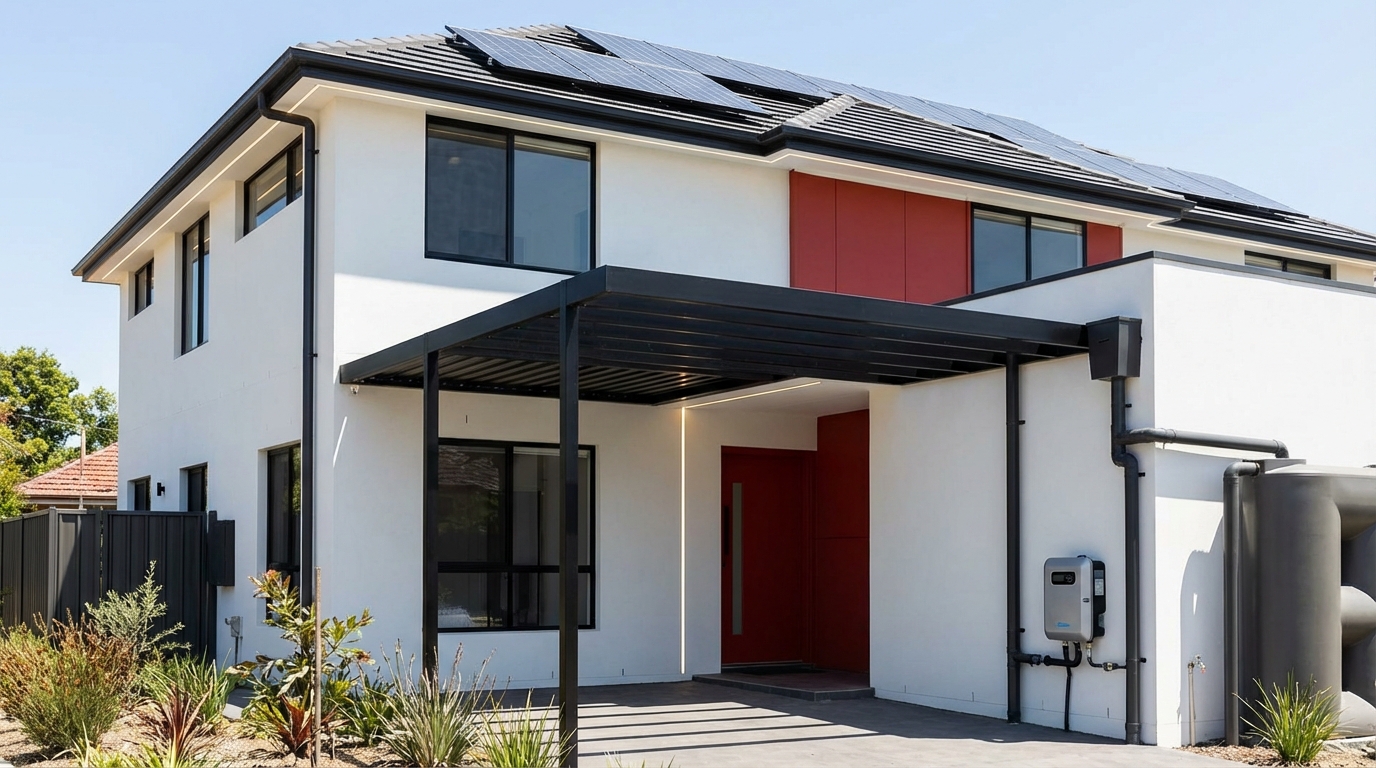
As summer temperatures soar across Sydney, so do household energy bills. With air conditioners running overtime and water usage peaking during Australia’s hottest months, January marks the perfect time to explore smart upgrades that reduce energy bills Sydney residents face season after season. Whether you’re in the heart of Sydney, along the Central Coast, or throughout Newcastle, strategic electrical and plumbing improvements deliver immediate savings while enhancing your home’s comfort and efficiency. This comprehensive guide reveals the most effective energy-efficient home upgrades that pay for themselves through lower utility bills, reduced environmental impact, and increased property value.
Why Summer Energy Bills Spike in Sydney Homes
Understanding why your energy costs escalate during summer months is the first step toward meaningful reductions. Sydney’s climate combines high temperatures, intense UV exposure, and extended daylight hours that together create perfect conditions for skyrocketing electricity consumption.
Air conditioning accounts for approximately 40% of household energy use during Australian summer months. As outdoor temperatures regularly exceed 30°C, cooling systems work continuously to maintain comfortable indoor environments. Older, inefficient air conditioners consume significantly more power while delivering inferior performance compared to modern energy-efficient models.
Hot water systems represent another major energy drain, particularly during summer when families increase shower frequency, fill pools, and use more water overall. Traditional storage tank water heaters maintain constant water temperatures regardless of actual usage patterns, wasting energy 24 hours daily. This inefficiency becomes especially pronounced during summer when heating water competes with cooling your home for electrical capacity.
Hidden energy waste occurs throughout homes via outdated lighting systems, inefficient appliances, and phantom power consumption from devices in standby mode. These seemingly minor drains accumulate into substantial costs over summer’s three-month duration. The Australian Energy Regulator reports that average Sydney household electricity bills can increase by 30-50% during peak summer months compared to milder seasons.
Water costs also surge during summer as gardens require irrigation, pools need filling and maintenance, and cooling strategies like evaporative systems consume additional water. Identifying and addressing these seasonal spikes through targeted upgrades transforms your home into an energy-efficient haven that maintains comfort without devastating your budget.
Smart Electrical Upgrades That Cut Energy Costs
Modern electrical technology offers Sydney homeowners powerful tools to dramatically reduce electricity bills summer after summer. These smart home electrical upgrades combine immediate functionality improvements with long-term cost savings that quickly justify initial investments.
LED Lighting Conversions
LED lighting represents the single fastest return-on-investment upgrade available to homeowners seeking to lower utility bills Australia-wide. LED bulbs consume up to 85% less energy than traditional incandescent bulbs while lasting 25 times longer, eliminating frequent replacement costs and inconvenience.
For the average Sydney home with 30-40 light fixtures, complete LED conversion typically costs $300-$600 but delivers annual savings of $200-$400 on electricity bills. This means most homeowners recoup their investment within 18-24 months, after which the savings continue year after year.
Beyond energy savings, LED technology offers superior performance advantages. Modern LEDs provide instant full brightness without warm-up time, remain cool to touch reducing fire risks, and offer diverse color temperatures from warm ambient lighting to bright task illumination. Smart LED systems integrate with home automation platforms, enabling scheduled operation, remote control, and adaptive brightness that further optimizes energy consumption.
When planning LED upgrades, prioritize high-use areas first—kitchens, living rooms, outdoor security lighting, and bathrooms deliver maximum savings. Professional electricians ensure proper installation, especially for recessed fixtures requiring specific LED-compatible housings and dimmers. Licensed electrical installation guarantees safety, code compliance, and warranty protection while maximizing the efficiency benefits your LED investment provides.
Smart Thermostats and Climate Control
Smart thermostat installation Sydney homeowners are increasingly adopting represents one of the most effective strategies to reduce air conditioning costs summer without sacrificing comfort. These intelligent devices learn your schedule, preferences, and home’s thermal characteristics to optimize cooling efficiency automatically.
Quality smart thermostats like Nest, Ecobee, or Sensibo deliver 15-30% reductions in cooling costs through features like geofencing (adjusting temperature when you leave home), adaptive scheduling (learning when you typically need cooling), and remote control via smartphone apps. Multi-zone systems provide even greater savings by cooling only occupied areas rather than maintaining uniform temperatures throughout your entire home.
Energy monitoring features built into smart thermostats provide real-time visibility into your consumption patterns, identifying opportunities for further optimization. Many systems integrate with weather forecasts, adjusting settings proactively based on predicted temperature changes rather than reacting after your home has already become uncomfortable.
Professional installation by licensed electricians ensures smart thermostats interface correctly with your existing HVAC systems, particularly important for homes with complex multi-stage cooling or combined heating/cooling systems. Electricians also assess whether your current wiring supports smart thermostat power requirements or needs upgrading for reliable operation.
Energy-Efficient Appliance Upgrades
While appliance replacement represents a larger investment than lighting or thermostat upgrades, the long-term savings from energy-efficient models justify the cost, especially when replacing aging inefficient units. Modern appliances bearing high energy star ratings consume significantly less power while often delivering superior performance.
Refrigerators, as the only appliance running continuously, merit priority consideration when they exceed 10-12 years of age. New models consume up to 70% less energy than units from the early 2000s. Similarly, efficient washing machines use less water and electricity, particularly front-loading models with advanced moisture sensors that optimize cycle times.
Air conditioners deserve special attention given their dominant role in summer energy consumption. Inverter technology air conditioners adjust compressor speed continuously rather than cycling completely on and off, delivering up to 30% energy savings compared to conventional systems. When selecting new units, choose models with high energy efficiency ratings specifically suited to your room sizes—oversized units waste energy while undersized systems work continuously without achieving comfort.
Government rebate programs and manufacturer incentives often offset portions of energy-efficient appliance costs. Licensed electricians can advise on available programs, help calculate long-term savings, and ensure proper installation that maximizes efficiency while maintaining warranty coverage and safety compliance.
Water-Efficient Plumbing Upgrades for Lower Bills
Water and energy costs interconnect more than many homeowners realize. Heating water accounts for approximately 25% of home energy consumption, while water usage itself represents substantial ongoing costs. Water-efficient plumbing Sydney upgrades address both dimensions simultaneously, delivering compounding savings.
Tankless Water Heaters
Tankless water heater Sydney installations are transforming how Australian homes approach hot water, delivering on-demand heating that eliminates the standby energy losses inherent to traditional storage systems. Also called instantaneous or continuous flow systems, tankless heaters activate only when hot water flows, heating water instantly as it passes through the unit.
Energy savings from tankless systems range from 25-35% compared to traditional storage heaters because they eliminate the continuous energy consumption required to maintain large tanks at constant temperatures. For families using hot water primarily during morning and evening periods, these savings accumulate dramatically over time.
Beyond energy efficiency, tankless systems provide unlimited hot water—you’ll never experience mid-shower temperature drops when the tank depletes. Compact wall-mounted designs reclaim valuable floor space, particularly important in smaller Sydney homes and apartments. Modern tankless units also last 20-25 years compared to 10-15 years for storage systems, reducing long-term replacement costs.
Professional installation by licensed plumbers ensures tankless systems match your household’s simultaneous hot water demands, with proper gas line sizing for gas models or electrical capacity for electric units. Plumbers also handle necessary pressure, venting, and drainage requirements that differ significantly from storage system installations.
Smart Leak Detection Systems
Smart leak detection system benefits extend far beyond preventing catastrophic water damage—these intelligent systems identify wasteful drips, hidden leaks, and abnormal consumption patterns that silently inflate water and energy bills month after month.
Modern leak detection systems monitor water flow throughout your home, using AI-powered analytics to establish baseline usage patterns and immediately alert you to anomalies. A toilet constantly running due to failed internal components might waste 200 liters daily, costing hundreds annually in water charges while the hot water wasted also impacts energy bills. Smart systems detect these issues immediately rather than months later when reviewing unusually high bills.
Advanced systems integrate automatic shutoff valves that stop water flow when major leaks occur, preventing thousands of dollars in water damage, mold remediation, and structural repairs. Insurance companies increasingly offer premium discounts for homes equipped with these protective systems, adding another layer of cost benefit.
Smart leak detection also provides valuable insights into overall water consumption habits, helping families identify opportunities to reduce usage through behavioral changes. Many systems include smartphone apps showing real-time consumption, historical trends, and comparisons to similar households—powerful motivation for conservation.
Licensed plumbers install leak detection systems strategically at main water supply lines for whole-home protection or at critical points like hot water systems, washing machines, and irrigation lines for targeted monitoring. Professional installation ensures accurate calibration, reliable operation, and proper integration with your home’s existing plumbing infrastructure.
Low-Flow Fixtures and Aerators
Low-flow fixtures and aerators represent the most cost-effective water saving plumbing fixtures Australia homeowners can install, combining minimal upfront investment with immediate, measurable savings. These simple devices reduce water consumption without noticeably affecting performance or convenience.
Modern low-flow showerheads maintain strong, satisfying water pressure while using 40-50% less water than standard fixtures through innovative spray patterns and air injection technology. For a family of four, replacing three standard showerheads with low-flow alternatives saves approximately 60,000 liters annually—significant reductions in both water and energy bills since much of that water would require heating.
Tap aerators screw onto existing faucet spouts, mixing air into the water stream to maintain pressure and coverage while reducing flow rates. These inexpensive devices ($5-$15 each) can cut kitchen and bathroom tap water consumption by 30-50% without requiring fixture replacement. The return on investment often comes within weeks through reduced water bills.
Dual-flush toilets represent another high-impact upgrade, offering full-flush options for solid waste and reduced-water half-flushes for liquid waste. Older single-flush toilets consume 11-12 liters per flush while modern dual-flush systems use just 3 liters for half-flush and 4.5 liters for full-flush—dramatic reductions given that toilet flushing accounts for approximately 30% of household water consumption.
Licensed plumbers ensure low-flow fixtures install correctly with proper sealing, appropriate pressure regulation, and compliance with Australian plumbing standards. They also assess whether your home’s water pressure suits low-flow fixtures or requires adjustment to maintain optimal performance.
Integrated Smart Home Systems for Maximum Savings
The true power of energy-efficient upgrades emerges when individual improvements integrate into comprehensive smart home ecosystems that optimize electricity and water consumption holistically. Smart plumbing technology and electrical systems that communicate and coordinate deliver savings exceeding the sum of their individual contributions.
Integrated smart home platforms like Google Home, Amazon Alexa, or Apple HomeKit enable centralized control of lighting, climate, appliances, and water systems through unified interfaces. This integration allows sophisticated automation—lights dimming automatically when you start watching television, cooling systems reducing output when windows open, or irrigation systems canceling scheduled watering when rain sensors detect precipitation.
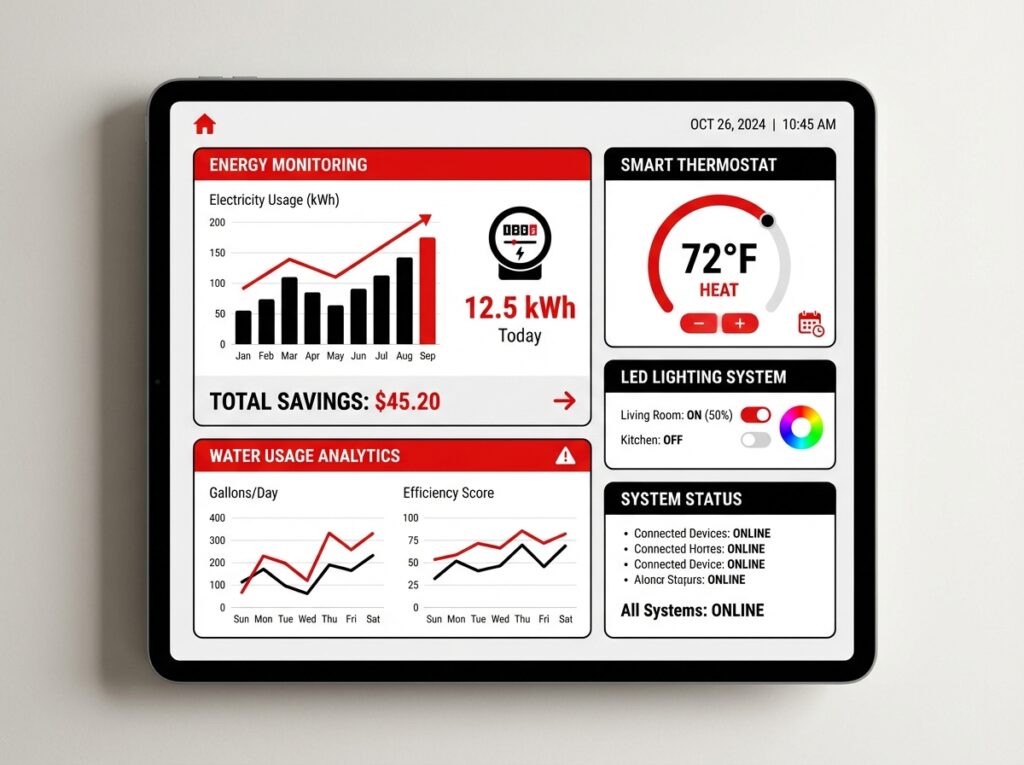
Energy monitoring systems track whole-home and circuit-level consumption in real-time, identifying which devices and activities consume the most power. This visibility empowers informed decisions about usage patterns, upgrade priorities, and behavioral changes that reduce waste. Many systems provide cost projections, showing how current consumption translates into monthly bills and how specific changes could reduce those costs.
Smart power boards with individual socket control eliminate phantom power drain from devices in standby mode. Electronics like televisions, computers, and kitchen appliances continue consuming electricity even when “off,” accounting for up to 10% of household energy use. Smart power boards automatically cut power to these devices when not actively in use, capturing otherwise wasted electricity.
Water management systems integrate leak detection, irrigation control, and consumption monitoring into single platforms that optimize water use across all applications. These systems schedule irrigation during coolest periods to minimize evaporation, adjust run times based on weather forecasts and soil moisture sensors, and provide alerts when consumption patterns suggest leaks or inefficient fixtures.
Professional integration by licensed electricians and plumbers ensures all smart components communicate reliably, operate safely within your home’s electrical capacity, and comply with Australian building codes. These experts design systems that grow with your needs, starting with priority upgrades and expanding over time as budget and interest dictate.
Professional Energy Audits: The First Step to Savings
Before investing in specific upgrades, professional energy audit Sydney homes benefit from provides comprehensive assessments identifying exactly where your property wastes energy and which improvements deliver maximum return on investment. Licensed electricians and specialized energy auditors conduct thorough evaluations using advanced diagnostic tools.
Thermal imaging cameras reveal heat loss and gain through walls, ceilings, windows, and doors—critical information for prioritizing insulation, sealing, and window treatments. These cameras also identify electrical hot spots suggesting faulty wiring, overloaded circuits, or failing components that waste energy and pose fire risks.
Electrical consumption analysis involves installing monitoring equipment that tracks usage patterns over several days, identifying peak consumption periods, inefficient devices, and opportunities for load shifting to off-peak times when electricity rates are lower. Auditors assess lighting efficiency, appliance performance, and HVAC system operation, providing specific recommendations ranked by cost-effectiveness.
Plumbing assessments examine water pressure, identify leaks, evaluate hot water system efficiency, and measure fixture flow rates. Auditors test for hidden leaks using specialized acoustic equipment and pressure monitoring that reveals problems invisible to homeowners. They also assess whether water pressure optimization could reduce consumption without affecting performance.
Comprehensive audit reports prioritize recommendations based on cost, savings potential, and implementation difficulty. This roadmap guides your investment decisions, ensuring limited budgets target improvements delivering maximum benefit. Many energy providers and government programs subsidize audit costs, making professional assessments surprisingly affordable.
The insights from professional audits often reveal surprising opportunities. Homeowners frequently discover that relatively minor, inexpensive changes—sealing air leaks, adjusting water pressure, or replacing a few key inefficient devices—deliver substantial savings before considering major investments like air conditioner or hot water system replacements.
ROI: When Do Energy Upgrades Pay for Themselves?
Understanding return on investment helps prioritize upgrades and maintain realistic expectations about payback timelines. While individual circumstances vary based on current system efficiency, usage patterns, and energy rates, general guidelines reveal which improvements deliver fastest returns.
LED lighting upgrades typically pay for themselves within 1-2 years through electricity savings, making them ideal first investments. The combination of reduced power consumption, extended lifespan, and minimal upfront costs creates compelling economics regardless of budget constraints.
Smart thermostats generally achieve payback within 2-3 years for homes with central air conditioning. Savings accelerate for households with longer cooling seasons or multiple systems controllable through smart technology. The convenience and comfort benefits often justify investment even before complete financial payback occurs.
Low-flow fixtures and aerators deliver the fastest return on investment, often recouping costs within 6-12 months through water and energy savings. Their minimal upfront expense ($100-$300 for whole-home upgrades) makes them accessible to virtually any budget while delivering immediate benefits.
Tankless water heaters require 5-8 years for payback due to higher initial costs ($2,000-$4,000 installed) compared to storage systems. However, their 20-25 year lifespan versus 10-15 years for storage tanks, combined with ongoing energy savings and unlimited hot water benefits, makes them sound long-term investments, particularly when replacing failing systems.
Energy-efficient appliance replacements vary significantly in payback period depending on replacing unit age and efficiency. Replacing a 15-year-old refrigerator might pay for itself within 3-4 years, while replacing a 5-year-old efficient model rarely justifies the cost purely on energy savings—though comfort, features, and reliability improvements might warrant replacement for other reasons.
Smart home integration systems often take 5-10 years for complete payback, but the lifestyle convenience, security benefits, and property value increases justify these investments beyond pure energy savings calculations. As technology costs decline and energy prices increase, these payback periods continually shorten.
Licensed professionals help calculate personalized ROI based on your specific circumstances, current energy costs, usage patterns, and available rebate programs. These analyses ensure realistic expectations and optimal upgrade sequencing that maximizes both financial returns and lifestyle improvements.
Government Rebates and Incentives for NSW Homeowners
NSW homeowners benefit from numerous federal and state programs that subsidize energy-efficient upgrades, significantly improving return on investment while accelerating Australia’s transition toward sustainable energy consumption.
The NSW Energy Savings Scheme provides certificates for eligible energy efficiency improvements that can be sold to energy retailers, effectively rebating portions of upgrade costs. Qualifying improvements include lighting upgrades, efficient appliance purchases, hot water system replacements, and home insulation projects. Rebate values vary based on energy savings achieved, but typical residential projects receive $100-$500 rebates.
Small-scale Technology Certificates (STCs) under federal renewable energy incentives provide substantial rebates for solar hot water system installations and heat pump hot water systems. These rebates can reduce system costs by $500-$1,500 depending on system size and location, making efficient hot water systems highly affordable.
The Low Income Household Rebate assists qualifying households with annual electricity bill rebates while the Family Energy Rebate supports families with dependent children. While these programs don’t directly subsidize upgrades, the bill relief they provide can be redirected toward efficiency improvements that deliver ongoing savings.
Local council programs vary by area but often include free or subsidized home energy audits, water-saving fixture distribution programs, and educational workshops on energy efficiency. Many councils partner with licensed contractors to offer discounted installation services for common upgrades like LED lighting, insulation, and weatherproofing.
Energy retailers frequently offer incentives for customers installing smart meters, programmable thermostats, and efficient appliances. These programs aim to reduce peak demand, benefiting both utilities and homeowners through lower infrastructure costs and reduced energy bills.
Licensed electricians and plumbers stay current on available rebate programs, helping homeowners identify applicable incentives, complete necessary paperwork, and maximize savings. Professional installation is often required for rebate eligibility, adding another reason to engage licensed tradespeople rather than attempting DIY approaches.
Timing upgrades strategically around rebate program availability can dramatically improve cost-effectiveness. New programs launch periodically while existing programs may have budget limitations that cause waiting lists or funding exhaustion. Working with licensed professionals who monitor program status ensures you capture available incentives.
Frequently Asked Questions About Reducing Summer Energy Bills
Q: What’s the fastest way to reduce my energy bills this summer?
A: Start with LED lighting conversions and installing low-flow water fixtures—these deliver immediate savings with minimal investment. Next, ensure your air conditioner receives professional servicing, clean filters improve efficiency by 5-15%. Finally, adjust thermostat settings just 1-2 degrees higher; this simple change reduces cooling costs by approximately 10% per degree while remaining comfortable.
Q: Should I upgrade my hot water system to reduce energy bills?
A: If your hot water system exceeds 10 years old or shows signs of declining efficiency (inconsistent temperatures, rust, frequent repairs), upgrading to a tankless or heat pump system delivers substantial energy savings. Hot water accounts for 25% of home energy use, so efficient systems provide meaningful long-term reductions. Licensed plumbers can assess your current system and recommend optimal replacements based on household size and usage patterns.
Q: How much can smart home technology actually save on utility bills?
A: Comprehensive smart home systems typically reduce energy consumption by 20-30% through optimized lighting, climate control, and appliance operation. Individual smart thermostats alone save 15-30% on cooling costs. Smart leak detection prevents water waste that many homeowners don’t realize occurs—hidden leaks can cost $300-$600 annually in wasted water and energy. The exact savings depend on current efficiency and how actively you use smart features, but most Sydney households see $500-$1,500 annual savings after full smart home implementation.
Q: Are there government rebates available for energy-efficient upgrades?
A: Yes. NSW homeowners can access the Energy Savings Scheme for various efficiency upgrades, Small-scale Technology Certificates for solar and heat pump hot water systems, and various council-specific programs. Rebate values typically range from $200-$1,500 depending on the upgrade type. Licensed electricians and plumbers help identify applicable programs, ensure installation meets rebate requirements, and assist with application processes. Rebate programs change periodically, so consult with licensed professionals about current offerings when planning upgrades.
Q: Should I do these upgrades myself or hire licensed tradespeople?
A: Australian law requires licensed electricians and plumbers for most electrical and plumbing work beyond basic maintenance. DIY electrical work is illegal, dangerous, and voids insurance coverage. While you might save on labor costs, improper installation risks safety hazards, code violations, warranty voidance, and inability to claim government rebates that often require licensed professional installation. Licensed tradespeople ensure work meets safety standards, operates efficiently, and qualifies for all available incentives—ultimately delivering better value than DIY approaches.
Conclusion: Start Saving This Summer With Smart Upgrades
Sydney’s summer heat doesn’t have to mean devastating energy bills. Strategic electrical and plumbing upgrades transform your home into an efficient, comfortable haven that maintains ideal conditions without excessive costs. From quick-win LED conversions and low-flow fixtures to comprehensive smart home systems and tankless water heaters, the upgrade options suit every budget and timeline.
The key to success lies in starting now. January’s moderate temperatures provide ideal conditions for professional assessments and installations before February and March’s extreme heat arrives. Early action ensures your home operates at peak efficiency throughout the entire summer, maximizing savings and comfort when you need them most.
Every upgrade delivers multiple benefits beyond simple cost reduction—improved comfort, enhanced property value, reduced environmental impact, and peace of mind knowing your home operates safely and efficiently. Government rebates and professional financing options make even major improvements surprisingly affordable when considering long-term savings and incentives.
At AIM LOCAL, our licensed electricians and plumbers specialize in energy-efficient upgrades that deliver measurable results for Sydney, Central Coast, and Newcastle homeowners. We provide comprehensive assessments, expert recommendations tailored to your specific needs and budget, and professional installation backed by full warranties and compliance guarantees.
Don’t let another summer drain your budget through inefficient systems and wasted energy. Contact AIM LOCAL today on 1800 187 168 to schedule your energy efficiency consultation. Our team will identify your biggest opportunities for savings, explain available rebates and incentives, and implement upgrades that start reducing your bills immediately. Make this summer the last time you’re shocked by excessive energy costs—invest in efficiency and enjoy comfortable, affordable living year-round.