
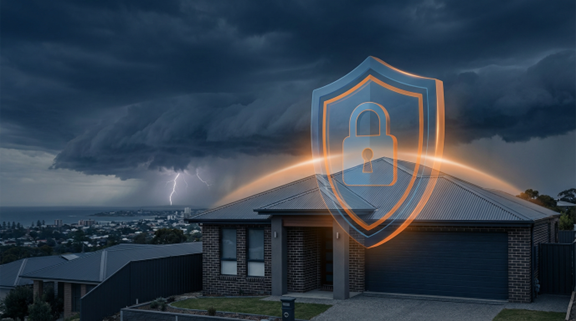
Electrical, Roofing & Emergency Preparedness for Sydney, Central Coast & Newcastle Homes
As 2026 kicks off, Sydney homeowners face the reality of Australia’s most intense storm season. January through March brings the highest concentration of severe thunderstorms, damaging winds, and flash flooding across Sydney, the Central Coast, and Newcastle. The Bureau of Meteorology has already flagged increased storm activity for the coming months—making right now the critical window for home protection.
Last year’s January storms caused millions in damage across NSW, with thousands of emergency calls for roof repairs, electrical faults, and water ingress. Many of these situations were entirely preventable with proper preparation. The difference between a minor inconvenience and a major disaster often comes down to simple inspections and maintenance completed before the weather turns.
This comprehensive Sydney storm season home protection guide walks you through everything you need to protect your home during the 2026 storm season. From electrical system safety checks to roof inspections and emergency planning, we cover the essential steps that safeguard your property and family. Whether you’re in suburban Sydney, the coastal communities of the Central Coast, or the Newcastle region, these practical measures apply to your home.
At AIM LOCAL, our licensed electricians and roofers respond to storm damage daily during peak season. We’ve compiled the most critical prevention strategies based on real patterns we see across thousands of emergency callouts. Prevention is always more effective—and far less expensive—than emergency repairs.
Understanding Sydney Storm Season Risks 2026
Sydney’s storm season runs from October through March, with January and February representing the peak danger period. During these months, the combination of summer heat, humidity, and atmospheric instability creates perfect conditions for severe thunderstorms, hail events, and intense rainfall.
The 2026 season presents particular challenges. Climate patterns indicate above-average storm activity for the NSW coast, with increased likelihood of supercell thunderstorms capable of producing destructive winds exceeding 100km/h and hail larger than golf balls. These conditions don’t discriminate—they affect established suburbs and new developments equally.
Key Storm Threats for Sydney Homes
Understanding the specific threats helps you prioritise your protection efforts:
Wind Damage: Severe thunderstorm winds can lift roof tiles, tear off sections of metal roofing, and topple trees onto power lines. Older roofs with compromised fixings are especially vulnerable. Wind damage often creates entry points for water, compounding the destruction.
Hail Impact: Sydney experiences some of Australia’s most damaging hailstorms. Large hail cracks tiles, dents metal roofing, and destroys skylights. Even smaller hail accumulations block gutters and downpipes, causing overflow and water damage.
Lightning Strikes: Direct and nearby lightning strikes cause power surges that destroy electronics, damage electrical wiring, and can start fires. Homes without surge protection are particularly exposed.
Flash Flooding: Intense rainfall overwhelms drainage systems, especially when gutters and stormwater drains are blocked. Flooding enters through doorways, window wells, and foundation cracks, causing extensive water damage.
Power Outages: Fallen trees and lightning damage cause widespread blackouts lasting hours or even days. Without preparation, outages disrupt refrigeration, medical equipment, security systems, and communication.
Electrical Storm Protection: Critical Safety Measures
Your electrical system faces significant stress during storm season. Lightning, power surges, water ingress, and wind damage all threaten your home’s electrical safety. Proper preparation prevents dangerous situations and protects expensive appliances.
Test Your Safety Switches
Safety switches (RCDs) are your first line of defence against electrical hazards. These devices detect current leakage—which can indicate water ingress, damaged wiring, or faulty appliances—and cut power in milliseconds to prevent electrocution.
NSW regulations require safety switches on power and lighting circuits in all homes. However, many older Sydney properties still lack adequate protection, and existing switches can fail without warning.
Action Step: Press the ‘Test’ button on each safety switch in your switchboard. The switch should trip immediately. If it doesn’t respond or takes more than a moment, arrange professional testing urgently. Safety switches should be tested every three months at minimum.
If your home was built before 2000, you may have outdated or insufficient safety switch coverage. A licensed electrician can assess your system and upgrade protection to current standards—essential preparation before storm season.
Install Surge Protection
Power surges from lightning strikes—whether direct hits or strikes to nearby power infrastructure—can destroy electronics and appliances instantly. Modern homes packed with sensitive equipment like computers, smart TVs, and network devices face substantial exposure.
Whole-house surge protection installed at your switchboard provides the best defence. These devices absorb dangerous voltage spikes before they reach your home’s wiring. Combined with point-of-use surge protectors at valuable equipment, you create layered protection.
Investment Consideration: A quality surge protector installation costs a fraction of replacing a single damaged appliance. Many Sydney homeowners only consider this protection after losing thousands in electronics—don’t wait for the lesson to be expensive.
Inspect Outdoor Electrical Infrastructure
Outdoor electrical components are directly exposed to storm conditions. Walk around your property and inspect:
- Power point covers: Ensure weatherproof covers are intact and close properly. Cracked or missing covers allow water ingress during rain.
- Garden lighting and pool equipment: Check wiring for damage, exposed conductors, or loose connections. Water and electricity create lethal combinations.
- External cables and connections: Look for fraying, animal damage, or deterioration from UV exposure.
- Meter box seals: Verify the meter box door closes securely and seals are intact.
Any damage or concerns warrant professional inspection before storms arrive.

Professional roof inspection identifies vulnerabilities before storm season.
Roof and Gutter Protection – Your First Defence
Your roof takes the direct impact of every storm. Tiles, metal sheeting, gutters, and flashing work together to shed water away from your home’s structure. Any weakness in this system becomes an entry point for water damage during heavy rainfall.
Professional Roof Inspection
Before storm season peaks, arrange a professional roof inspection. Licensed roofers identify issues invisible from ground level:
- Cracked, slipped, or broken tiles: Even hairline cracks allow water penetration. Slipped tiles expose underlayment to direct weather.
- Corroded or lifted metal roofing: Rust weakens metal panels, while lifted edges catch wind and amplify damage.
- Deteriorated flashing: Flashing around chimneys, skylights, and roof junctions commonly fails before the roofing material itself.
- Ridge cap condition: Cracked or displaced ridge capping allows water directly into roof space.
- Loose or corroded fixings: Screws and nails work loose over time, especially in metal roofing. These require retightening or replacement.
A pre-storm inspection costs far less than emergency repairs—and gives you time to address issues on your schedule rather than during a crisis.
Gutter and Downpipe Maintenance
Blocked gutters cause more storm damage than most homeowners realise. When water can’t flow through gutters and downpipes, it overflows onto fascia boards, into eaves, and against walls. This water finds its way inside, staining ceilings and damaging walls.
Before storm season:
• Clear all leaves, debris, and sediment from gutters
• Check gutters are properly fixed and not sagging
• Verify downpipes are clear by running water through them
• Ensure downpipe outlets direct water away from foundations
• Consider gutter guards if your property has overhanging trees
Pay particular attention to internal box gutters common in multi-storey and commercial buildings. These concealed gutters cause catastrophic damage when they overflow because water enters directly into roof space.
Storm Damage Warning Signs
Learn to recognize indicators that your roof has sustained storm damage:
- Ceiling stains or bubbling paint: Water has entered your roof space and is tracking along to find an exit point.
- Tiles or debris in yard: Wind has dislodged roofing material.
- Sagging or lifted sections: Structural damage to roof framing.
- Increased energy bills: Can indicate insulation damage from water ingress.
- Musty odors: Mold developing in concealed areas from moisture.
If you notice any of these signs after a storm, arrange professional inspection promptly. What looks like minor damage often conceals more serious problems.
Emergency Preparedness: Before, During, and After
Having a clear plan transforms how you handle storm emergencies. Preparation prevents panic and ensures you respond safely and effectively.
Before the Storm Arrives
When severe weather warnings are issued:
- Secure or store loose outdoor items—furniture, trampolines, pot plants—that could become projectiles
- Park vehicles undercover if possible to protect from hail
- Close all windows and external doors securely
- Know the location of your main electrical switchboard and how to shut off power
- Charge phones and backup batteries
- Fill containers with drinking water in case supply is affected
- Prepare torches with fresh batteries
- Move valuable items away from windows and skylights
Create a contact list including your local emergency services, SES (132 500), and reliable tradespeople who offer emergency callouts.
During the Storm
Stay indoors and away from windows during severe weather. The safest location is generally a ground-floor room away from external walls.
Electrical Safety During Storms:
- Unplug sensitive electronics if lightning is nearby
- Avoid using landline phones during electrical storms
- Don’t touch electrical equipment with wet hands
- If flooding occurs, don’t enter areas where water may contact electrical outlets
- If power flickers repeatedly, consider switching off appliances to prevent surge damage
If Water Enters Your Home:
- Don’t attempt electrical shut-off if standing water is near the switchboard
- Move valuables to higher ground if safe
- Document damage with photos for insurance purposes
- Call for emergency help if water is rising dangerously
After the Storm
Once conditions are safe:
- Assess from safety: Look for obvious damage from ground level. Don’t climb onto a damaged roof.
- Check for hazards: Fallen power lines, leaking gas, and structural damage all require professional response.
- Document everything: Photograph all damage before starting any clean-up for insurance claims.
- Make temporary repairs: If safe, use tarps to cover exposed roof areas and prevent further water damage.
- Contact professionals: Licensed electricians should check your system before restoring power if any water ingress occurred. Roofers should inspect and repair damage to prevent ongoing problems.
- Be wary of storm chasers: Unlicensed operators target storm-affected areas. Always verify licenses and insurance before engaging contractors.
When to Call Emergency Tradies
Some situations require immediate professional response:
Call an Emergency Electrician When:
- Power points or switches spark or show burn marks
- Circuit breakers won’t reset or keep tripping
- You smell burning near electrical equipment
- Water has entered electrical components
- Exposed wiring is visible after storm damage
- Power outage affects only your property
Call an Emergency Roofer When:
- Large sections of roofing are missing or displaced
- Water is actively entering your home
- Structural damage is visible to roof framing
- Trees or large debris have impacted your roof
- Storm damage is likely to worsen before conditions improve
At AIM LOCAL, we maintain 24/7 emergency response across Sydney, Central Coast, and Newcastle. Our licensed electricians and roofers are equipped to provide immediate storm damage response, from temporary protection to permanent repairs.
Frequently Asked Questions
Q: How often should I have my roof inspected?
A: We recommend professional roof inspections annually, plus additional checks before storm season and after any severe weather event. Early detection of minor issues prevents expensive emergency repairs.
Q: Are safety switches mandatory in NSW homes?
A: Yes, NSW requires safety switches on all power point and lighting circuits. Older homes may have inadequate protection and should be upgraded by a licensed electrician.
Q: What should I do if I see fallen power lines after a storm?
A: Stay at least 8 metres away and call Ausgrid (13 13 88) or Endeavour Energy (131 003) immediately. Fallen lines can remain live and are extremely dangerous.
Q: How quickly can AIM LOCAL respond to storm damage emergencies?
A: Our emergency teams operate 24/7 and prioritise urgent situations. Response times vary during major storm events due to high demand, but we work to reach all emergency callouts as quickly as safely possible.
Q: Does home insurance cover storm damage repairs?
A: Most comprehensive home insurance policies cover storm damage. Document all damage thoroughly with photos and contact your insurer promptly. Keep receipts for emergency repairs and temporary protection measures.
Q: Can I inspect my own roof after a storm?
A: We strongly advise against climbing onto storm-damaged roofs. Wet surfaces, weakened structures, and hidden damage create serious fall risks. Professional roofers have appropriate equipment and training to inspect safely.
Conclusion: Act Now, Not When the Storm Hits
The 2026 storm season is already underway, and the peak months of January through March lie directly ahead. Every day you delay preparation is a day closer to potential emergency—and the scramble for tradies that follows every major storm event.
The steps outlined in this guide aren’t complex, but they are essential. Test your safety switches this week. Arrange that roof inspection you’ve been postponing. Clear your gutters before the next downpour. These simple actions dramatically reduce your risk of serious storm damage.
At AIM LOCAL, we’ve seen the difference preparation makes. Homes with maintained roofs and modern electrical systems weather storms with minor inconvenience. Those without preparation face emergency callouts, insurance claims, and significant disruption.
Whether you need a pre-season inspection, emergency repairs, or just want expert advice about protecting your property, our licensed electricians and roofers are ready to help. We service Sydney, Central Coast, and Newcastle with the same commitment to quality and safety on every job.
Don’t wait for the next storm warning. Contact AIM LOCAL today on 1800 187 168 for a free quote on storm preparation services, or keep our number saved for 24/7 emergency response when you need us most.