
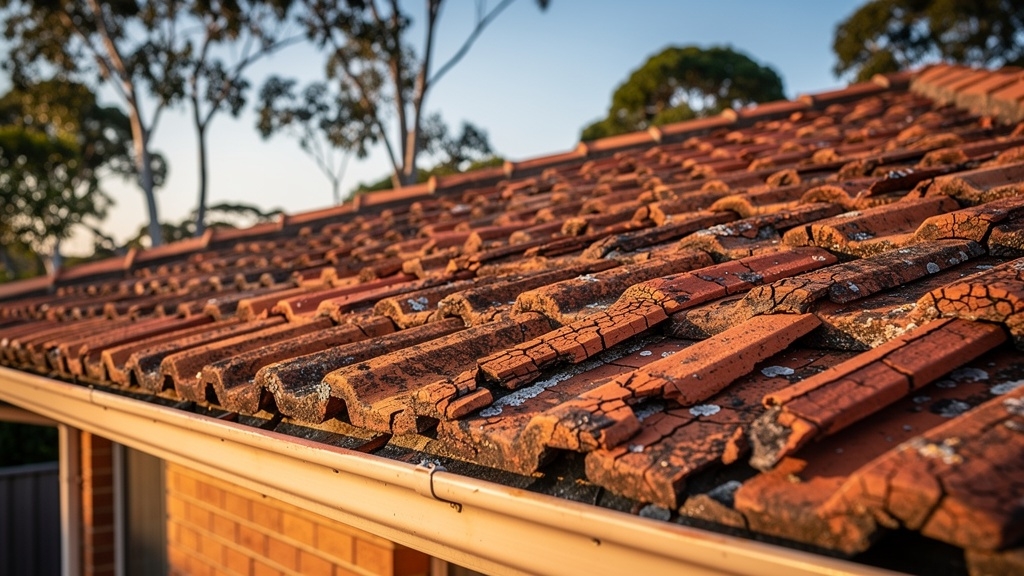
The tile roof repair cost on the Central Coast typically ranges from $150 to $800 or more per job, depending on the number of broken tiles, the type of tile, roof access, and the extent of any underlying damage. For most Central Coast homeowners dealing with a few cracked or slipped terracotta tiles, expect to pay between $250 and $500 for a standard repair visit from a licensed roofer.
This guide gives you honest, up-to-date pricing for tile roof repairs across the Central Coast, explains what drives costs up or down, and helps you decide when a repair is enough and when a more significant fix is needed.
Tile Roof Repair Cost Central Coast: Price Ranges by Job Type
Tile roof repair costs on the Central Coast vary based on the scope of work. The table below outlines typical price ranges for common repair types. These figures reflect current market rates for licensed roofing contractors operating in the Gosford, Wyong, and surrounding areas.
| Repair Type | Typical Cost Range (AUD) | Notes |
|---|---|---|
| Replace 1–5 cracked or broken tiles | $150 – $350 | Minimum call-out usually applies; terracotta vs concrete affects tile cost |
| Replace 6–20 tiles | $350 – $700 | Labour per tile reduces at volume; tile matching may add cost |
| Re-bedding and re-pointing ridge capping (per linear metre) | $30 – $60/m | Most homes need 15–30m; full ridge job often $500–$1,200 |
| Re-bedding and re-pointing ridge capping (full job) | $500 – $1,500 | Depends on roof length and access difficulty |
| Roof valley repair or replacement | $300 – $900 | Valleys are high-leak-risk zones; sarking may need replacing |
| Flashing repair around chimney or skylight | $200 – $600 | Lead, aluminium, or colorbond flashing; labour-intensive on steep roofs |
| Reseating slipped tiles (1–10 tiles) | $150 – $300 | Tiles intact but displaced; common after storms |
| Full roof repair (storm damage, multiple areas) | $800 – $3,000+ | Scope-dependent; insurance claim may apply |
All prices include GST and assume standard single-storey residential access. Steep pitches, double-storey homes, or scaffolding requirements will increase the cost. These are market benchmarks; actual quotes from licensed contractors in the Gosford and Central Coast region may vary.
What Affects the Cost of Tile Roof Repairs on the Central Coast?
Several factors can push the cost of your tile roof repair higher or lower than the typical range:
Type of Tile
Terracotta tiles are the most common roof material in older Central Coast homes, particularly in suburbs around Gosford, Erina, and Narara built during the 1960s to 1990s. They are durable but can be harder to match when a replacement tile is needed. Concrete tiles are slightly cheaper to replace and easier to source, but they absorb more moisture over time. Heritage or imported terracotta tiles can be significantly more expensive to source, which adds to repair costs if matching is required.
Roof Pitch and Access
A steeply pitched roof requires more safety equipment, more time to navigate, and in some cases scaffolding or a harness system. Under the NSW Work Health and Safety Act 2011 and relevant codes of practice for working at heights, licensed contractors must comply with fall prevention requirements. This legitimate compliance cost is reflected in the price for steep or difficult-access roofs. A standard low-pitch single-storey roof is the least expensive to work on.
Extent of Underlying Damage
Cracked tiles are often a surface issue. But if water has been entering through a broken tile for some time, there may be damage to the sarking membrane, timber battens, or roof structure beneath. Identifying this during a repair visit can extend the job scope significantly. A roofer who spots rotting battens or compromised sarking will need to address those before relaying tiles, which adds to the overall cost.
Ridge Capping Condition
Ridge capping on terracotta tile roofs relies on a sand-and-cement mortar bed that degrades over time. Most mortar bedding needs re-pointing every 10 to 20 years. On the Central Coast, the combination of coastal humidity, salt air in beachside suburbs like Terrigal, Avoca Beach, and Wamberal, and temperature cycling accelerates mortar deterioration. If your ridge capping is already crumbling, it is often more cost-effective to re-bed the entire ridge during a tile repair visit rather than return for a separate job later.
Tile Availability and Matching
Finding matching tiles for a 30-year-old terracotta roof can be difficult. Some discontinued tile profiles require sourcing from reclaim yards or specialist suppliers, which adds time and material cost. If matching tiles cannot be found, the roofer may use an off-colour tile in a less visible location and move a matching tile from that spot to the visible repair area.
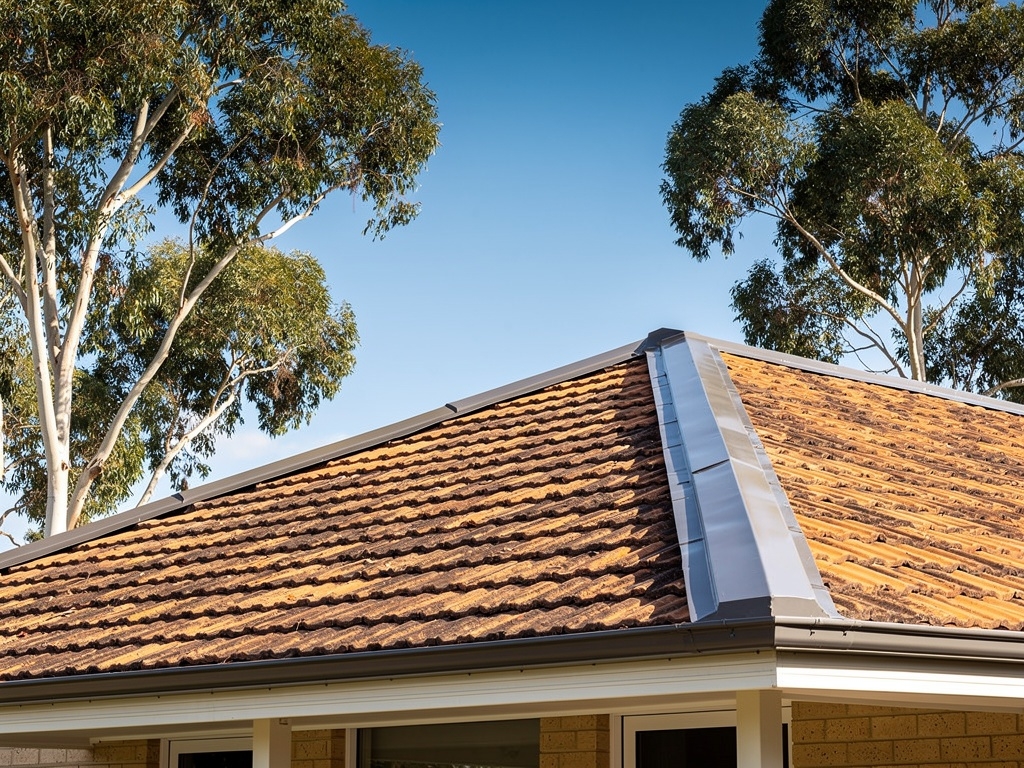
Common Tile Roof Problems on Central Coast Homes
Roofing contractors working across Gosford and surrounding suburbs regularly encounter the same recurring issues on Central Coast tile roofs. Knowing what to look for helps you decide whether to call for repairs or wait for an annual inspection.
Cracked or Broken Tiles
Physical impact (falling branches, hail, foot traffic during maintenance), thermal cycling, and material fatigue all cause tiles to crack. Even a single cracked tile creates a water entry point during heavy rain. Central Coast storms can be intense, and a cracked tile left unrepaired through winter can result in internal ceiling damage that costs far more to fix than the tile replacement itself.
Slipped or Displaced Tiles
Tiles that have shifted out of alignment without cracking can still allow water ingress at the gaps. This is common on older roofs where the nails or clips holding the tiles have corroded or worked loose. A roofer can often reseat these tiles without replacement, which is a lower-cost repair.
Failed Ridge Capping Mortar
The mortar bedding that holds ridge capping in place hardens and shrinks as it ages, eventually cracking and detaching. Once the mortar fails, the cap tiles become loose and can be displaced by wind. This is one of the most common repair jobs on Central Coast homes built between the 1970s and 1990s. Re-pointing with flexible polyurethane compounds rather than traditional cement is now the standard approach, as it lasts significantly longer in coastal conditions.
Leaking Valleys
Roof valleys are where two roof planes meet and channel water off the roof. The valley lining (typically galvanised steel, Colorbond, or lead) can corrode or crack over time, particularly in homes close to the coast. A leaking valley that goes unaddressed can cause extensive damage to roof timbers, insulation, and internal ceilings. If your home has a valley, it is worth having it inspected as part of any repair visit.
Damaged or Corroded Flashing
Flashing around chimneys, skylights, vents, and roof-wall junctions is a common leak source. Galvanised steel flashing in coastal areas corrodes faster than in inland locations. Lead flashing lasts longer but can be dislodged by thermal movement. A roofing contractor should inspect all flashing points during a repair visit and flag any that are showing signs of failure.
Tile Roof Repair vs Roof Restoration: When Does Each Make Sense?
This guide covers tile roof repair costs. Roof restoration is a separate, more comprehensive service that includes pressure washing, tile replacement, re-bedding and re-pointing ridges, and applying a sealer and paint coat. Restoration costs significantly more (typically $4,000 to $12,000 for a standard Central Coast home) and is appropriate when a roof is aged but structurally sound. Repair is appropriate when the damage is localised.
As a general guide, if fewer than 10% of tiles are damaged or displaced and the ridge capping is in reasonable condition, targeted repairs are usually the better value. If more than 20% of tiles show signs of wear, the mortar is failing across most of the ridge, and the roof is over 20 years old, a restoration may offer better long-term value than repeated repair callouts.
If you are unsure, request a roof inspection from AIM LOCAL’s licensed roofing team before committing to either option. An honest inspection gives you the information to make the right call.
Can You DIY Tile Roof Repairs on the Central Coast?
In NSW, there is no legal requirement for a licence to replace a broken tile on a residential property if the work is purely maintenance (removing and replacing like-for-like tiles). However, the practical risks are significant. Working at height without proper equipment and training is a leading cause of serious injury and death on residential properties in Australia.
Under the NSW Work Health and Safety Act 2011, any person on a roof must take reasonable steps to manage the risk of falls. For homeowners, this means appropriate footwear, a stable ladder, and ideally a safety harness or roof anchor point. Without these measures, a DIY tile repair is a serious safety risk regardless of its legal status.
For ridge capping, flashing repairs, or anything involving the roof structure, a licensed roofing contractor is strongly recommended. These repairs require specialist skills, and poor workmanship on ridge caps or flashing can lead to water ingress that is difficult to trace and expensive to fix. The NSW Fair Trading website provides guidance on when a licence is required for roofing work in NSW.
How to Get a Fair Quote for Tile Roof Repairs on the Central Coast
Getting an accurate quote for tile roof repairs involves more than just picking up the phone. Here is what to do to protect yourself and get honest pricing:
- Request a written quote: Any reputable roofing contractor should provide a written quote that itemises labour, materials, and any call-out fees before starting work.
- Check their licence: In NSW, contractors performing structural roofing work must hold a current contractor licence. Check the licence on the Service NSW licence check tool. AIM LOCAL holds all required licences for roofing work across the Central Coast.
- Get two to three quotes: For jobs over $1,000, comparing quotes from two or three licensed contractors helps establish a fair market price and exposes any outliers.
- Ask about tile sourcing: If matching tiles are needed, ask the contractor whether they have access to reclaim yards or can source matching tiles. Difficulty in sourcing tiles is a legitimate cost driver.
- Ask what the quote does not include: Some quotes cover the visible tile replacement but exclude any work on sarking, battens, or ridge capping if issues are found. Knowing the scope of the quote helps you compare accurately.
Tile Roof Repair Services from AIM LOCAL on the Central Coast
AIM LOCAL provides licensed roofing services across the Central Coast, including Gosford, Wyong, Erina, Terrigal, The Entrance, Umina Beach, Woy Woy, and surrounding suburbs. Our roofing team handles tile replacement, ridge re-bedding and re-pointing, valley repairs, flashing repairs, and leak investigations for residential and light commercial properties.
We carry common terracotta and concrete tile profiles and have access to reclaim suppliers for discontinued tiles. All roofing work is completed by licensed tradespeople in compliance with NSW building standards. We provide written quotes before starting any work.
If you have noticed a cracked tile, a water stain on your ceiling, or suspect your ridge capping is failing, call AIM LOCAL for an honest assessment. You can also read our related guide on what a roof inspection involves and costs to understand what the diagnostic process looks like before committing to repairs.
Need a Tile Roof Repair Quote on the Central Coast?
AIM LOCAL provides licensed roofing services across Gosford, Wyong, Erina, Terrigal, Woy Woy and surrounding areas. Get an honest written quote — no pushy upsell, no surprises.
Get Your Free QuoteFrequently Asked Questions
How much does it cost to repair a tile roof on the Central Coast?
Most tile roof repairs on the Central Coast cost between $150 and $800, depending on the number of tiles damaged, the type of tile, and the scope of work. A small repair involving two or three tiles typically costs $150 to $350 including the call-out. Larger jobs involving ridge re-pointing or valley repairs can run from $500 to over $1,500.
How do I know if my tile roof needs repairing or replacing?
If fewer than 10% of tiles are damaged and the ridge capping and structure are sound, targeted repairs are usually sufficient. If the mortar is failing across most of the ridge, many tiles are cracked or slipping, and the roof is over 20 years old, a full restoration may be more cost-effective than ongoing repairs. A professional inspection will give you a clearer picture.
Do I need a licensed contractor for tile roof repairs in NSW?
For straightforward tile replacements, a licence is not legally required in NSW if it is purely maintenance work. However, for ridge capping, flashing, structural repairs, or any work involving the roof structure, a licensed roofing contractor is required. It is also strongly advisable for safety reasons — working at height is one of the leading causes of serious injury in residential settings.
How long does a tile roof repair take?
A small repair involving a few broken or slipped tiles typically takes two to four hours. A more involved job such as re-bedding and re-pointing a full ridge or repairing multiple roof valleys can take a full day or more. Your contractor should give you an estimated duration when providing the quote.
Will insurance cover tile roof repairs on the Central Coast?
Storm damage to a roof is typically covered by home and contents insurance policies, subject to your policy excess and the cause of damage. Wear and tear (tiles cracking due to age) is generally not covered. If your tiles were damaged by a storm or falling tree branch, document the damage with photos and contact your insurer before arranging repairs, as insurers often need to assess the damage before approving a claim.
Can salt air damage tile roofs near the coast?
Yes. Properties within a few kilometres of the coast in Central Coast suburbs like Terrigal, Wamberal, Avoca Beach, and Umina Beach are exposed to salt-laden air that accelerates corrosion of metal components including flashing, valley liners, and clips or nails holding tiles in place. Mortar bedding on ridge capping also degrades faster in coastal conditions. Coastal homes typically need more frequent inspections and maintenance than equivalent inland properties.
What is ridge capping re-pointing, and how much does it cost on the Central Coast?
Ridge capping re-pointing involves removing deteriorated mortar from between the ridge cap tiles and the main roof surface and applying fresh compound. Modern re-pointing uses flexible polyurethane compounds rather than traditional sand-and-cement mortar, as these handle the movement and expansion of roof materials in coastal environments more effectively. On the Central Coast, expect to pay $30 to $60 per linear metre for re-pointing, or $500 to $1,500 for a full ridge on a standard home depending on length and roof access.