
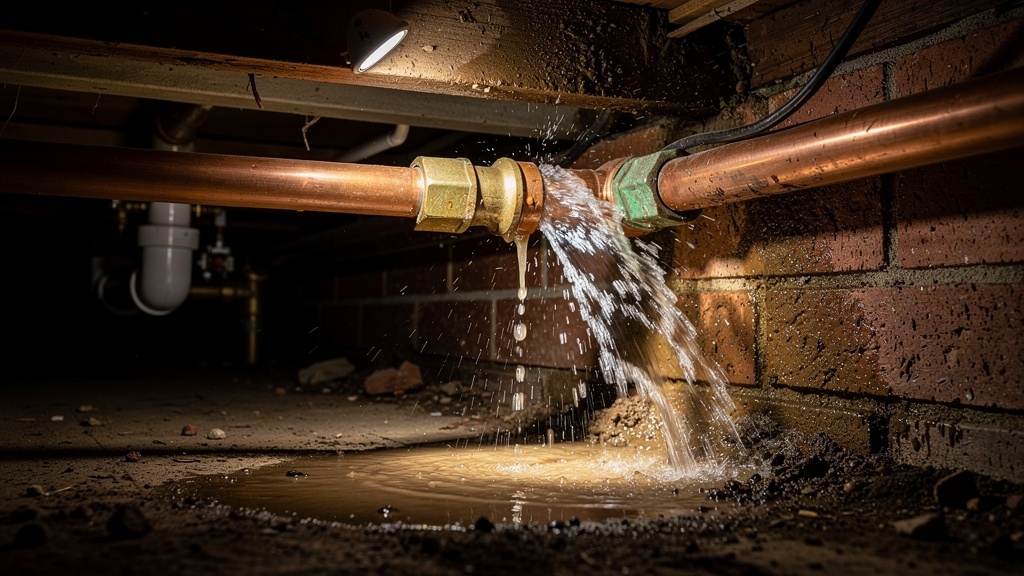
A blocked drain in Sydney is one of the most common plumbing problems homeowners face, and it can go from a slow sink to a full sewage backup in hours. Understanding what causes blockages, what they cost to fix, and when to call a licensed plumber can save you hundreds of dollars and a lot of stress. This guide gives you straight, honest answers based on how Sydney plumbers work in 2026.
Sydney’s ageing pipe network, gum tree root systems, and older clay sewer lines create conditions that make blocked drains more frequent here than in newer cities. Whether you’re in the Inner West, Northern Beaches, Western Sydney or the Hills District, the causes and solutions are largely the same.
Before you reach for the plunger or chemical drain cleaner, take two minutes to read through this guide. You’ll know exactly what you’re dealing with, what it will cost, and whether you can handle it yourself.
What Causes Blocked Drains in Sydney?
Blocked drains in Sydney fall into two categories: internal blockages caused by what goes down the drain, and external blockages caused by tree roots, ground movement or pipe damage. Both are common, but they require very different solutions.
Internal Blockages
The most frequent cause of a blocked drain is grease and fat buildup in kitchen pipes. Cooking oil, butter and food scraps cool and solidify on pipe walls, gradually narrowing the passage until water stops flowing. Hair and soap scum are the second most common culprit, particularly in bathroom showers and bathtubs.
Other common internal causes include:
- Wet wipes and “flushable” wipes – these do not break down and cause major blockages in sewer lines
- Sanitary products and cotton pads – designed to absorb water, not dissolve in it
- Food scraps pushed past a kitchen sink strainer
- Excess toilet paper or paper towels flushed instead of toilet tissue
- Foreign objects – toys, jewellery, small utensils
External Blockages and Pipe Damage
Sydney’s iconic fig trees, eucalyptus and liquidambar trees are notorious for sending roots into sewer lines. Roots seek out moisture and can infiltrate tiny cracks in older terracotta or clay pipes, then grow rapidly inside the pipe. Even newer PVC pipes can be infiltrated if joints become loose over time.
Ground movement from heavy rain, soil expansion and urban construction can also cause pipe misalignment or collapse. Older homes in suburbs like Paddington, Newtown and Parramatta are especially vulnerable because many still have original clay sewer lines installed in the 1950s and 1960s.
Sydney Water maintains the responsibility for sewer mains, but the drain from your house to the boundary is your responsibility. Understanding which part of the system is blocked will determine who pays for the repair. For more information, visit the Sydney Water sewer blockages guide.
Signs You Have a Blocked Drain
Recognising the early warning signs of a blocked drain can prevent a minor inconvenience from becoming a sewage overflow. Slow-draining sinks, showers and bathtubs are the first indicator. If water pools around your feet in the shower or takes more than 30 seconds to drain from a full sink, there is likely a partial blockage forming.
Warning Signs to Watch For
- Gurgling sounds from drains, toilets or pipes after using water elsewhere in the house
- Foul smells coming from drains, particularly sulphur or sewage odour
- Multiple slow drains at the same time, which suggests a main drain blockage rather than a single fixture
- Water backing up in one fixture when you use another (e.g. toilet bubbling when you run the washing machine)
- Wet patches in the yard above where drain lines run
- Overflowing floor gully in the laundry or bathroom
If you notice more than one of these signs simultaneously, you likely have a blockage in your main drain rather than a single pipe. This requires professional equipment, not a plunger.
You can also read our guide on Sydney suburbs with the worst blocked drain problems to understand if your area is particularly prone to root intrusion or ground movement.
How Much Does It Cost to Fix a Blocked Drain in Sydney?
Blocked drain costs in Sydney vary widely depending on the severity, location and method required to clear it. The table below shows typical market ranges for 2026. These are industry benchmarks, not quotes from any specific provider.
| Type of Job | Typical Cost Range (incl. GST) | What’s Included |
|---|---|---|
| Standard callout (business hours) | $100 – $200 | Travel, assessment |
| Simple blockage (plunger or hand snake) | $150 – $350 | Callout + basic clearing |
| Electric eel / drain machine clearing | $250 – $500 | Callout + machine work up to 30 min |
| High-pressure water jetting | $300 – $700 | Callout + jetting, clears grease and roots |
| CCTV drain camera inspection | $200 – $450 | Diagnosis, report, footage |
| Root cutting with drain machine | $400 – $900 | Clearing + root cutter head |
| After-hours or emergency callout (7pm-7am) | $200 – $400 callout + job cost | After-hours surcharge applies |
| Pipe relining (per metre) | $400 – $900/m | No-dig pipe repair, lasts 50+ years |
| Pipe excavation and replacement | $1,500 – $8,000+ | Full dig, pipe replacement, reinstatement |
Service fees vary between providers. Always confirm the callout fee before booking.
Most Sydney tradespeople charge $100-$200 just to attend, separate from the cost of the work. Ask upfront whether the callout fee is included in the total quote or charged on top. A reputable plumber should provide a fixed price before starting work.
What Affects the Final Price?
The depth of the blockage matters. A sink trap blockage cleared in minutes costs far less than a root intrusion 20 metres down a main sewer line. Access difficulty also affects pricing – if the cleanout is under concrete, in a wall cavity or requires a plumber to enter a tight subfloor space, labour time increases significantly.
CCTV camera inspection is often quoted separately but is worth doing if you have recurring blockages. It identifies exactly where the problem is, whether it’s roots, pipe collapse or misalignment, and gives you evidence before authorising expensive repairs.
For context on your rights as a property owner or tenant when it comes to repair costs, see the NSW Fair Trading guide on rental repairs and maintenance.
DIY vs Calling a Licensed Plumber
Some minor blocked drains can be resolved without professional help. A single slow sink drain is often cleared with a plunger, a hand snake (drain auger) or a kettle of boiling water for grease buildup. These steps are safe for most homeowners to attempt before calling a plumber.
What You Can Safely Try at Home
- Using a cup plunger on a single blocked sink or bathtub
- Removing and cleaning the drain trap under a kitchen sink (requires a bucket and basic tools)
- Pouring boiling water down a greasy kitchen drain (not for PVC pipes under heat stress)
- Using a hand drain snake for shallow hair blockages in a bathroom drain
When You Must Call a Licensed Plumber
In New South Wales, all drain work connected to the sewerage system must be carried out by a licenced plumber. This includes using electric drain machines, high-pressure water jetting or any work on the sewer drain that exits the property. The NSW Fair Trading plumbing licensing requirements make clear that unlicensed drain work is illegal and may void your home insurance.
You must call a plumber when:
- Multiple fixtures are draining slowly simultaneously
- Sewage is backing up into the property
- You can smell sewage from outdoor drains or gullies
- DIY attempts have failed or made the problem worse
- You suspect root intrusion or pipe damage
- The blockage is in your outdoor drainage or main sewer line
Our licensed plumbers service all Sydney suburbs and are available 24/7 for blocked drain emergencies. See our blocked drains service page for how we approach each type of blockage.
What Happens When a Plumber Arrives
Knowing what to expect when a plumber arrives helps you ask the right questions and avoid being overcharged. A professional blocked drain service typically follows a clear process.
The Assessment
The plumber will first ask which fixtures are affected and how long the problem has been present. They’ll check multiple drain points in the property – sinks, toilets, laundry, floor gullies – to determine whether it’s a localised blockage or a main drain issue. This takes 5-10 minutes and should be done before any quote is given.
Diagnosis and Quote
A licensed plumber will provide a written or verbal quote before starting work. If the blockage is in a main drain or sewer line, they may recommend a CCTV camera inspection first. This costs more upfront but identifies whether you need simple jetting, root cutting, pipe relining or excavation.
Clearing the Blockage
Most blockages in Sydney are cleared with high-pressure water jetting, which sends a powerful stream of water through the pipe to break up grease, remove debris and flush the line clean. For root intrusions, a drain machine with a root-cutter head is used first, followed by jetting to flush the material out. The job typically takes 30-90 minutes.
After the Job
A reputable plumber will test the drain with water flow before leaving and advise on whether follow-up work is needed. For recurring blockages, ask about pipe relining, which can extend the life of a damaged pipe by 50 or more years without excavation. Also check our guide on landlord repair responsibilities in NSW if you’re managing a rental property.
See our plumbing services page for the full range of plumbing work we carry out across Sydney.
How to Prevent Blocked Drains
Prevention is significantly cheaper than repair. Most blocked drains are caused by what goes down the drain, which means simple household habits can prevent most blockages from forming in the first place.
Kitchen Drains
- Always use a strainer basket in the kitchen sink to catch food scraps
- Never pour cooking oil or grease down the drain – let it cool and dispose of it in the bin
- Run hot water for 30 seconds after washing greasy dishes to push residue further down the pipe
- Use enzymatic drain cleaners monthly (not chemical bleach products) to break down buildup
Bathroom Drains
- Use a hair strainer in the shower – clean it weekly
- Only flush toilet paper – not wet wipes, cotton pads, nappies or sanitary products
- Clean drain stoppers in sinks and bathtubs monthly
Outdoor and Sewer Drains
- Keep leaves, soil and garden debris away from stormwater grates
- Avoid planting trees with aggressive root systems near drain lines
- Have a CCTV inspection done if you’re buying an older home – root intrusion is more likely in properties with established trees
- Book a preventative drain jetting service every 2-3 years if your property has a history of blockages
Our plumbers also service the locations pages for blocked drains in Woy Woy and surrounding areas on the Central Coast and Greater Sydney.
Got a Blocked Drain in Sydney?
Our licensed plumbers cover all Sydney suburbs – fast response, upfront pricing, available 24/7.
Get Your Free QuoteFrequently Asked Questions
How much does it cost to unblock a drain in Sydney?
The cost to unblock a drain in Sydney typically ranges from $150 to $700 depending on the severity and method required. A simple plunging job at the fixture may cost $150-$350 including callout. High-pressure water jetting for grease or root blockages usually costs $300-$700. Root cutting and CCTV inspection add to the total. Service fees vary between providers. Always confirm the callout fee before booking.
Can I unblock a drain myself in Sydney?
You can try a plunger or hand drain snake for a single slow sink or shower drain. However, in New South Wales, any drain work connected to the sewerage system must be done by a licenced plumber. If multiple fixtures are affected, sewage is backing up, or DIY attempts fail, call a licensed plumber immediately. Unlicensed drain work may void your home insurance.
How do I know if my blocked drain is my responsibility or Sydney Water’s?
You are responsible for the drain from your house to the boundary of your property. Sydney Water maintains the sewerage network beyond the boundary and the street sewer main. If the blockage is within your property boundary, you are responsible for the repair cost. A licensed plumber can use a CCTV camera to identify exactly where the blockage is and whether it crosses onto the public sewer network.
What is high-pressure water jetting and do I need it?
High-pressure water jetting uses a specialised nozzle to send a powerful stream of water through a drain pipe at up to 5,000 psi. It is the most effective method for clearing grease buildup, removing root material after cutting, and thoroughly cleaning pipe walls. It is often the recommended method for kitchen drains and main sewer lines. Most residential jobs in Sydney require 30-60 minutes of jetting. Typical cost ranges from $300 to $700.
Do plumbers charge extra for blocked drains after hours in Sydney?
Yes. Most Sydney plumbers apply an after-hours surcharge for callouts between approximately 7pm and 7am on weekdays, and for weekend and public holiday callouts. Most Sydney tradespeople charge $200-$400 as an after-hours callout fee on top of the job cost. Always ask for the total quoted price before the plumber starts work. Service fees vary between providers. Always confirm the callout fee before booking.
What causes tree roots to get into drains in Sydney?
Tree roots are attracted to the warmth and moisture inside sewer pipes. They enter through tiny cracks, loose joints or deteriorated pipe sections, then grow rapidly inside the pipe, eventually causing a full blockage. Older terracotta and clay pipes common in inner Sydney suburbs are most vulnerable. Even PVC pipes can be infiltrated if joints become loose. Root intrusion is most common in homes with large established trees planted near drain lines.
Is pipe relining worth it for a blocked drain in Sydney?
Pipe relining is worth considering when a drain has recurring blockages from root intrusion or when CCTV inspection reveals pipe cracking or deterioration. It is a no-dig solution that creates a smooth new pipe inside the existing one, eliminating the need for excavation and garden reinstatement. Typical cost is $400-$900 per metre. Relined pipes carry warranties of 25-50 years. For pipes in good condition with a simple blockage, jetting is sufficient and relining is not needed.