
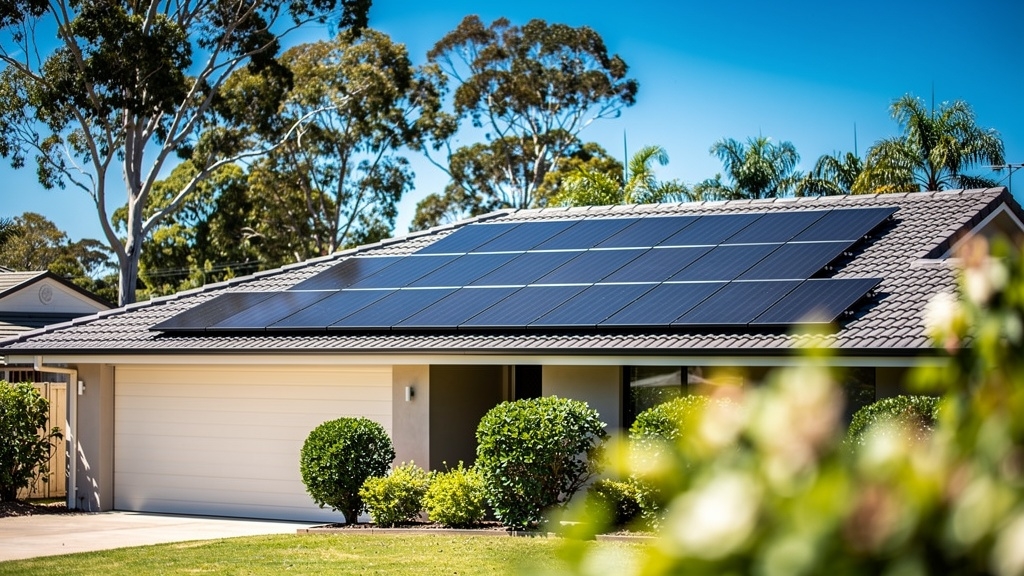
How Solar Panels Affect Your Home’s Plumbing and Electrical System
Installing solar panels on your Sydney home is one of the best financial decisions you can make — but most homeowners don’t realise that solar installation directly impacts your home’s electrical system, and can indirectly affect your hot water plumbing too. Before you sign anything, here’s what your electrician and plumber both need to check.
What Happens to Your Switchboard When You Go Solar?
This is the most common thing homeowners miss: solar panels don’t connect directly to your walls or appliances. They connect to your switchboard, which then distributes the power. If your switchboard is old — particularly if it still has ceramic fuses rather than circuit breakers — your solar installer may refuse to connect the system until the switchboard is upgraded.
In Sydney, most homes built before 1990 have switchboards that aren’t rated for solar feed-in. The additional current generated by a standard 6.6kW solar system can overwhelm an undersized board. Key requirements include:
- A dedicated solar circuit breaker (typically 32A for 6.6kW systems)
- A bi-directional meter (to measure both import and export)
- Surge protection devices on the inverter circuit
- Earthing system compliance with AS/NZS 3000:2018
A switchboard upgrade in Sydney typically costs $800–$2,200 and is almost always required for homes over 15 years old. Budget for this as part of your solar quote — any installer who doesn’t mention it should raise a red flag.
How Solar Changes Your Hot Water System Options
Once you have solar panels on your roof, your hot water strategy changes completely. Here’s why this matters for your plumbing:
Option 1: Solar Hot Water System (Separate Collectors)
A traditional solar hot water system uses dedicated roof collectors (not photovoltaic panels) connected to a storage tank. These require a plumber to install the tank connections, pressure relief valves, and collector plumbing. Solar hot water systems cost $2,500–$5,000 installed in Sydney and can qualify for STCs (Small-scale Technology Certificates) under the federal rebate scheme.
Option 2: Heat Pump (Powered by Your Solar PV)
A heat pump hot water system uses your solar-generated electricity to run a compressor — essentially an air conditioner working in reverse to heat water. This is currently the most cost-effective option for most Sydney homes with solar. A plumber installs the tank and water connections; an electrician wires the unit to your solar-friendly tariff circuit.
Option 3: Electric Resistance (Run on Solar Surplus)
The cheapest to install but least efficient. A standard electric storage hot water system can be timer-controlled to run during peak solar generation hours (10am–3pm), dramatically cutting your electricity costs. Your plumber connects the tank; your electrician adds a dedicated timer circuit from your solar-connected board.
What this means for your plumbing: If you currently have a gas hot water system and want to maximise solar benefits, switching to electric or heat pump requires a plumber to disconnect the gas line, cap off the gas connection to the old unit, and install new water connections for the replacement unit.
What Electrical Wiring Does Solar Installation Require?
Beyond the switchboard, here’s what happens inside your roof and walls when solar goes in:
DC Wiring (Panels to Inverter)
DC cable runs from each panel string down to the inverter, typically located near your main switchboard. In Sydney’s climate, UV-resistant double-insulated DC cable is mandatory. In multi-storey homes, this often means running cable inside conduit through wall cavities — a job that requires a licenced electrician familiar with both the NEC standards and your roof’s structural members.
AC Wiring (Inverter to Switchboard)
The inverter converts DC to AC power, then connects via standard AC wiring to your switchboard. This connection must be done by a licenced electrician and inspected before the system can be activated with your network operator (Ausgrid, Endeavour Energy, or Essential Energy in NSW).
Internet Monitoring Connection
Most modern inverters (Fronius, SolarEdge, Enphase) include WiFi monitoring. Your electrician should configure this connection during commissioning so you can track generation and consumption in real time.
Solar Panel Electrical and Plumbing Costs in Sydney (2026)
| Work Item | Who Does It | Typical Cost (AUD) |
|---|---|---|
| Switchboard upgrade (if required) | Licenced Electrician | $800 – $2,200 |
| Bi-directional (smart) meter installation | Network Operator (Ausgrid/Endeavour) | $0 – $350 (varies by network) |
| Inverter AC connection to switchboard | Licenced Electrician | Included in solar quote |
| Surge protection device installation | Licenced Electrician | $250 – $450 |
| Solar hot water system (collectors + tank) | Plumber + Electrician | $2,500 – $5,000 |
| Heat pump hot water system | Plumber + Electrician | $3,000 – $5,500 |
| Gas hot water to electric conversion | Plumber (gas disconnect + new install) | $400 – $900 extra |
| Battery storage system (optional) | Licenced Electrician | $8,000 – $15,000 |
Pre-Solar Installation Checklist for Sydney Homeowners
Before your solar installer arrives, have a licenced electrician assess:
- ☑ Switchboard age and condition (ceramic fuses = upgrade required)
- ☑ Available spare circuit breaker positions
- ☑ Earthing and bonding compliance
- ☑ Roof condition and structural integrity for panel mounting (roofing inspection)
- ☑ Existing hot water system type and age (gas vs electric vs solar)
- ☑ Network operator connection requirements (Ausgrid/Endeavour/Essential)
- ☑ Battery-readiness of the proposed inverter (future-proofing)
This pre-assessment typically takes 30–60 minutes and costs $150–$300 — money well spent before committing to a $8,000–$15,000 solar installation.
For older homes, also consider having a full electrical safety inspection done at the same time. Inspectors often find outdated wiring or compliance issues that could prevent your solar system from being connected to the grid.
Does Solar Affect Your Roof Plumbing (Gutters and Downpipes)?
This surprises most homeowners: yes, solar panels can affect your gutters. Panels create a partial barrier that deflects rainfall differently to bare roof tiles. This can cause:
- Increased water concentration in gutters at panel edges
- Debris accumulation under panels (possum and bird nesting)
- Blocked downpipes from accelerated leaf buildup
Have your gutters cleaned and inspected before panel installation. Post-installation, plan for gutter cleaning at least twice per year in Sydney’s tree-dense suburbs.
What About Battery Storage?
Adding a battery (Tesla Powerwall, SolarEdge, Sungrow, or BYD) adds another layer of electrical complexity. Key considerations:
- Batteries require a dedicated battery circuit and potentially a second switchboard (gateway unit)
- Some batteries require cooling clearance — this affects where they can be wall-mounted
- NSW’s battery rebate (under the Peak Demand Reduction scheme) requires a compliant installer registered with the Clean Energy Council
For most Sydney homes, a solar-ready inverter (even without battery) is the smart first step. Budget for battery later when costs continue to fall.
Ready to Go Solar? Get Your Electrical Assessment First
AIM LOCAL’s licenced electricians assess switchboard compatibility, wiring requirements, and solar readiness for Sydney homes — before you commit to any solar quote. Reliable – Professional – Ready 24/7.
Get Your Free Electrical QuoteFrequently Asked Questions
Does my switchboard need to be upgraded for solar?
Most homes over 15 years old in Sydney will need a switchboard upgrade before solar can be connected. Ceramic fuse boards, undersized boards, or boards without spare circuit breaker positions all require upgrading. Your solar installer and electrician should assess this before installation begins.
Can I keep my gas hot water system if I install solar panels?
Yes — solar PV panels don’t affect your gas hot water system. However, many homeowners choose to switch to a heat pump hot water system at the same time as installing solar, because running a heat pump on solar-generated electricity can reduce your hot water costs by 70–80%.
Do solar panels affect my roof warranty?
Solar panel installation may void roof tile warranties if racking systems penetrate tiles improperly. Always use a solar installer who carries public liability insurance and uses non-penetrating (ballasted) mounting systems where possible on tiled roofs.
What is the solar feed-in tariff in NSW in 2026?
NSW residential solar feed-in tariffs vary by retailer. In 2026, most Sydney retailers offer between 5c and 12c per kWh for exported solar power. Compare offers at the AER Energy Made Easy website before choosing your energy retailer.
How long does solar panel installation take?
A standard 6.6kW solar system installation on a Sydney home takes 1–2 days for physical installation, plus 2–6 weeks for network operator approval and meter upgrade. The total process from signing to exporting power is typically 4–8 weeks.
What size solar system do I need for a Sydney home?
A 6.6kW system with a 5kW inverter is the most common size for a 3-4 bedroom Sydney home. For homes with a pool, EV, or air conditioning running regularly, a 10–13kW system with battery storage may be more appropriate. Your electrician can assess your actual consumption data to recommend the right size.
Is solar panel installation covered by home insurance?
Most home and contents insurance policies in Australia automatically cover solar panels attached to your home as part of the building sum insured. Notify your insurer when installation is complete to ensure correct coverage and update your rebuild cost estimate if needed.