
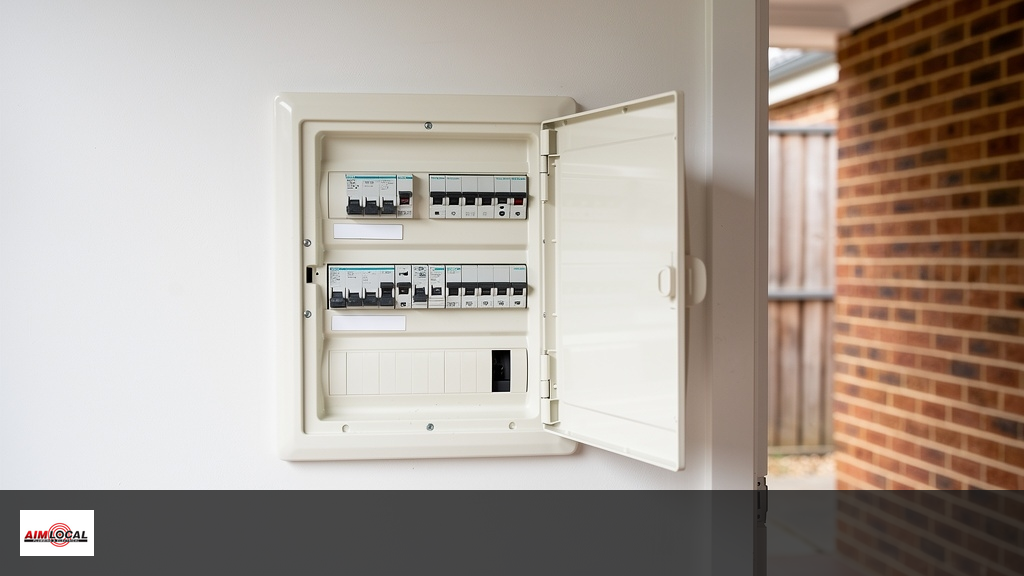
The electrical safety inspection cost in Sydney typically ranges from $150 to $400 for a standard residential property, depending on the size of the home, the number of circuits, and whether any remedial work is required. A NSW Fair Trading licensed electrician will conduct a thorough assessment of your wiring, switchboard, and safety switches to ensure your home meets current Australian standards. Getting a safety inspection before buying a home or after renovation work can prevent costly faults and protect your family.
This guide breaks down what influences inspection pricing, what the process involves, and how to choose the right licensed electrician across Sydney’s suburbs.
Table of Contents
- How Much Does an Electrical Safety Inspection Cost in Sydney?
- What Does an Electrical Safety Inspection Include?
- When Do You Need an Electrical Safety Inspection in NSW?
- How Long Does an Electrical Safety Inspection Take?
- What Happens If My Home Fails an Electrical Inspection?
- How to Choose a Licensed Electrician in Sydney
- Frequently Asked Questions
How Much Does an Electrical Safety Inspection Cost in Sydney?
An electrical safety inspection in Sydney costs between $150 and $400 for most homes up to four bedrooms. Larger properties, older Federation or 1970s homes with original wiring, or properties with complex electrical systems can push costs toward $500 to $800. The inspection fee is separate from any repair or remediation work identified during the assessment.
| Inspection Type | Typical Cost (Sydney) | Notes |
|---|---|---|
| Standard residential (1–3 bed) | $150 – $250 | Visual inspection + safety switch test |
| Standard residential (4–5 bed) | $250 – $400 | More circuits, longer inspection time |
| Older home pre-purchase | $350 – $600 | Includes thermal imaging or advanced testing |
| Investment property / landlord report | $300 – $500 | Written compliance certificate included |
| After renovation / new circuits | $200 – $350 | Verification of compliance for new work |
Most licensed electricians in Sydney charge a callout fee of $80 to $150 before any work begins, which is typically included in or added to the inspection quote. After-hours inspection requests generally cost an additional $80 to $200. Always confirm the full fee before booking, as callout rates vary between providers across the Sydney metro area.
Service fees vary between providers. Always confirm the callout fee before booking.
What Does an Electrical Safety Inspection Include?
A comprehensive electrical safety inspection covers every major electrical component in the home. The licensed electrician will visually inspect and test your switchboard, wiring, power points, light fittings, safety switches (RCDs), and any fixed appliances such as hot water systems and air conditioners. The inspection confirms whether these systems meet the AS/NZS 3000:2018 Wiring Rules, which is the primary standard governing electrical installations in NSW.
- Switchboard assessment: check for outdated fuses, correct labelling, and signs of overheating or corrosion
- Safety switch (RCD) testing: verify trip times and coverage of all circuits
- Wiring inspection: identify damaged, deteriorated, or non-compliant wiring including older rubber-insulated cables
- Power point and light circuit checks: confirm correct earthing and polarity
- Outdoor and wet area circuits: assess weatherproofing and IP rating compliance
- Fixed appliance connections: verify correct installation of hardwired appliances
- Written report: document defects, urgent safety hazards, and recommended remedial actions
Many Sydney electricians now offer thermal imaging as part of a premium inspection package. Thermal cameras detect overheating connections and hidden wiring faults that visual inspection alone cannot identify, making this a worthwhile upgrade for older properties across suburbs like Parramatta, Penrith, and the Hills District.
When Do You Need an Electrical Safety Inspection in NSW?
NSW does not mandate regular electrical inspections for private homeowners on a fixed schedule, but there are several situations where getting one is strongly recommended or legally required. When buying or selling a property, a pre-purchase electrical inspection can reveal hidden faults and give buyers leverage in negotiations. Investment property landlords in NSW have a duty of care under the Residential Tenancies Act to ensure rental properties are safe and fit for habitation, which includes electrical safety.
Under NSW legislation, all rental properties must have working safety switches (RCDs) installed. Fair Trading NSW recommends landlords conduct electrical inspections every five years or whenever a tenancy changes. After any major renovation, the new electrical circuits must be inspected and an Electrical Safety Certificate issued by the installing electrician before the work is signed off.
Other situations where an inspection is strongly recommended include: homes over 25 years old that have never had an electrical review, properties that have experienced storm damage or flooding, after a suspected electrical fault or tripped safety switch that cannot be reset, and before installing a solar system or home battery. Across western Sydney suburbs like Liverpool, Fairfield, and Campbelltown, many homes have original 1970s and 1980s wiring that warrants professional assessment.
How Long Does an Electrical Safety Inspection Take?
A standard residential electrical safety inspection in Sydney takes between one and three hours, depending on the size and complexity of the property. A two-bedroom unit or townhouse typically takes 60 to 90 minutes. A large five-bedroom home with a granny flat, pool, or large outdoor entertaining area can take three to four hours, particularly if older wiring is present and needs to be traced.
Advanced inspections involving thermal imaging or testing of multiple sub-boards may take longer. If the electrician identifies significant issues requiring detailed investigation, such as concealed wiring faults or non-compliant installations from previous unlicensed work, the inspection time and associated cost will increase accordingly. You can ask for a time estimate and scope of inspection when you book.
What Happens If My Home Fails an Electrical Inspection?
If your home fails an electrical safety inspection in NSW, the electrician will provide a written report listing each defect, classified by severity. Urgent safety hazards, such as exposed live wiring, a failed safety switch, or a dangerously overloaded circuit, must be rectified immediately before the property is occupied or tenanted. Non-urgent defects may be scheduled for remediation over an agreed timeframe.
Common issues found during Sydney residential inspections include outdated ceramic fuse boards, missing or incorrectly installed RCDs, deteriorated rubber-insulated cabling in homes built before 1980, and undersize wiring to modern appliances such as split-system air conditioners. Remediation costs vary widely depending on the defect: replacing a fuse board with a modern safety switch board in Sydney typically costs $1,200 to $2,500, while rewiring a single circuit runs $300 to $800.
Once remediation is complete, a follow-up inspection or compliance certificate is issued. This document confirms the electrical installation meets AS/NZS 3000 requirements and is important for insurance purposes, property sales, and rental compliance. Keep a copy of your Electrical Safety Certificate in a safe place and provide it to your insurer or property manager as required.
How to Choose a Licensed Electrician in Sydney
In NSW, all electrical work must be performed by a licensed electrician. You can verify a licence on the NSW Fair Trading licence check website. An electrician’s licence number should be displayed on their vehicle, business cards, and quoted documents. Hiring an unlicensed person to perform electrical work is illegal and voids your home insurance in the event of a claim.
When choosing a Sydney electrician for a safety inspection, ask whether they provide a written report with photographs, whether the inspection fee includes a compliance certificate, and how quickly they can respond if urgent remediation is needed. Local electricians familiar with the construction styles common to your Sydney suburb will better recognise issues specific to your home’s era and building type. Check Google reviews and confirm the business holds current public liability insurance before booking.
AIM LOCAL operates across the Sydney metro area and connects homeowners with NSW Fair Trading licensed electricians for safety inspections, fault finding, and electrical upgrades. Our electrical services team is available seven days a week, with same-day appointments across most inner-west, western, and northern Sydney suburbs.
Book an Electrical Safety Inspection in Sydney
NSW Fair Trading licensed electricians. Written report provided. Same-day availability across Sydney.
Get Your Free QuoteFrequently Asked Questions
How much does an electrical safety inspection cost in Sydney?
An electrical safety inspection in Sydney costs between $150 and $400 for most residential properties. Larger homes, properties with older wiring, or inspections requiring thermal imaging can cost $400 to $800. The fee typically includes a written report but may exclude a compliance certificate, so confirm what is covered when you book.
Is an electrical inspection compulsory before selling a house in NSW?
An electrical inspection is not legally compulsory before selling in NSW, but it is strongly recommended. Buyers frequently request a pre-purchase electrical inspection as part of their due diligence, and identifying faults before listing can prevent price negotiations or contract delays.
How often should you get an electrical safety inspection in NSW?
NSW Fair Trading recommends an electrical inspection every five years for rental properties, or when tenancies change. For owner-occupied homes, an inspection every 10 years is a reasonable baseline, or immediately when the home is over 25 years old with no inspection history.
Can a licensed electrician pass or fail a home inspection?
Yes. If a licensed electrician identifies urgent safety hazards, they will classify these as requiring immediate rectification. Non-compliant but non-urgent items are listed for scheduled repair. A written report is issued after the inspection classifying all findings by severity.
What is an Electrical Safety Certificate in NSW?
An Electrical Safety Certificate (ESC) is a document issued by a licensed electrician confirming that specific electrical work or an installation meets the requirements of AS/NZS 3000. It is required for new electrical work, after major repairs, and for rental properties to demonstrate compliance with NSW tenancy legislation.
Do I need an electrical inspection before getting solar panels installed?
A pre-solar electrical inspection is not legally required, but most reputable solar installers in Sydney will assess your switchboard capacity and wiring before installing a system. If your switchboard is outdated or lacks sufficient safety switches, it will need upgrading before the solar system can be connected to the grid.
What does a safety switch (RCD) test involve?
A safety switch test checks that your residual current device (RCD) trips within the time specified in AS/NZS 3017. The electrician uses a test instrument to simulate a fault current and measures the trip time. All circuits in a NSW home should be protected by RCDs, and testing takes around 5 to 10 minutes per circuit.