
What Does Granny Flat Electrical and Plumbing Actually Cost in Sydney?
If you’re budgeting for a granny flat in Sydney, granny flat electrical and plumbing costs are two of the biggest line items you need to nail down early — and they’re often underestimated. Between new connections, compliance requirements, and council specifics, the range can be wide. This guide breaks down what to expect, what drives the price up, and how to plan your budget properly.
What Drives Electrical and Plumbing Costs for a Granny Flat
The cost of connecting a granny flat to electrical and plumbing services varies based on several factors specific to your Sydney property. It’s not just about the flat itself — it’s about what already exists on the block and how far services need to run.
Distance from the main dwelling
The further the granny flat is from the main house, the longer the electrical cable runs and plumbing pipes need to be. A flat at the rear of a large block could require 20–40 metres of additional underground conduit, which adds significantly to labour and materials. On smaller suburban blocks, shorter runs keep costs lower.
Existing infrastructure capacity
If your main switchboard is already operating near capacity, you may need a switchboard upgrade before the granny flat can be connected. This is common in older Sydney homes built before the 1990s. Similarly, if the existing hot water system is undersized, you may need a separate unit for the flat. These add-ons can catch owners by surprise mid-project.
Whether you want a separate meter
A separate electricity meter for the granny flat is not legally required in NSW, but most owners choose it to simplify billing, especially if tenants will occupy the space. Installing a separate meter involves Ausgrid or Endeavour Energy (depending on your Sydney zone) and adds to the overall cost.
Soil and access conditions
Rocky ground, concrete pathways, or landscaping between the main house and granny flat increases excavation time and cost for underground services. In some Sydney suburbs — particularly on the Northern Beaches, Hills District, or North Shore — rock substrates are common and can push trenching costs significantly higher.
Granny Flat Electrical Costs: Detailed Breakdown
Electrical work for a granny flat typically breaks down into three areas: the internal wiring of the flat itself, the subpanel or switchboard installation, and the connection back to the main supply.
Internal electrical wiring
For a standard one-bedroom granny flat (around 60 sqm), internal wiring covers power points, lighting circuits, kitchen appliances, and potentially an air conditioner circuit. This is similar in scope to a one-bedroom unit fit-out.
- Power points and lighting circuits: $1,800–$3,200
- Air conditioning circuit (dedicated): $300–$600
- Range hood / oven circuit: $250–$450
- Hot water system circuit: $300–$500 (if electric HWS)
Subpanel and switchboard
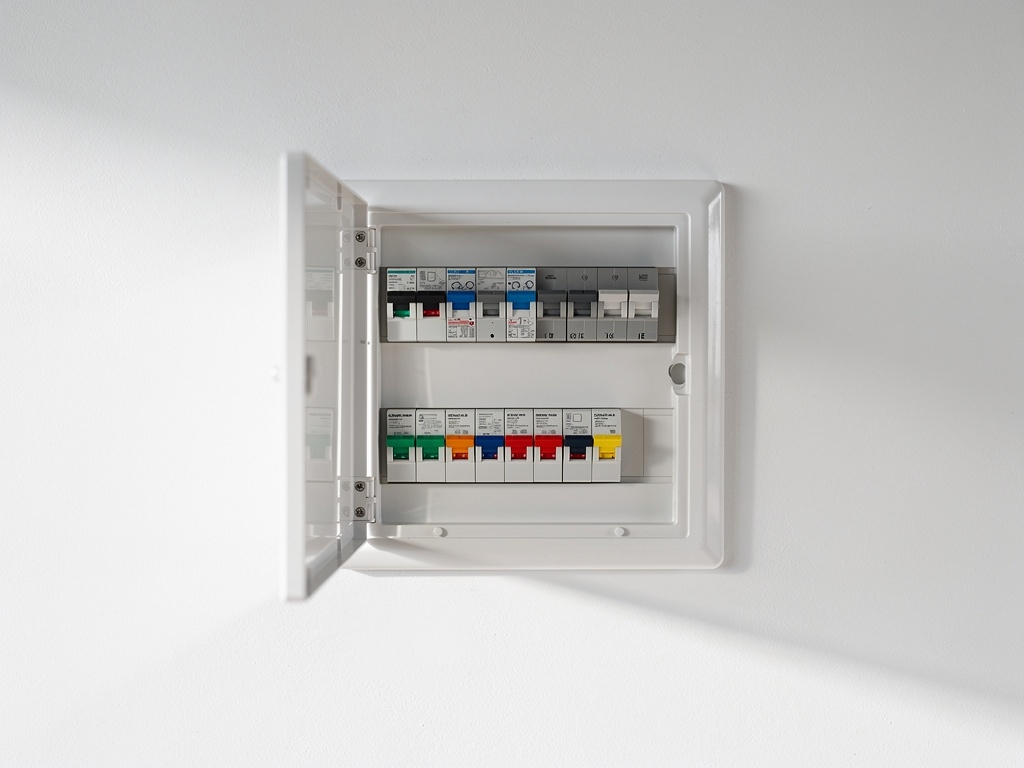
A dedicated subpanel for the granny flat is standard practice and provides a safety disconnect as well as circuit protection. Most electricians install a 3-phase or single-phase subpanel inside the flat linked back to the main switchboard.
- Subpanel supply and install: $600–$1,200
- Main switchboard upgrade (if needed): $1,500–$2,800
Underground cable run to main switchboard
This is often the biggest variable. The cable must be run in conduit underground for safety and durability. Trenching costs are separate from cable and conduit costs.
- Underground cable (per 10m): $400–$800 installed
- Trenching (soft soil, per 10m): $250–$500
- Trenching (hard or rocky, per 10m): $600–$1,500+
Total electrical range for a granny flat
For a standard 60 sqm granny flat on a typical Sydney suburban block with moderate cable run length:
- Simple setup (close to main house, no switchboard upgrade): $4,000–$7,000
- Mid-range (20–30m run, minor switchboard works): $7,000–$12,000
- Complex (long run, switchboard upgrade, rocky ground): $12,000–$20,000+
Granny Flat Plumbing Costs: Detailed Breakdown
Plumbing for a granny flat covers water supply, hot water, drainage, and connection to the sewer. Like electrical, the cost scales with distance and complexity.
Internal plumbing fit-out
The internal plumbing covers kitchen, bathroom (shower, toilet, basin), and laundry connections. For a standard one-bedroom granny flat:
- Bathroom rough fixtures: $2,500–$5,000
- Kitchen plumbing (sink, dishwasher, cold water): $800–$1,500
- Laundry connections: $600–$1,200
Hot water system
Most granny flats have their own dedicated hot water system. Electric storage tanks are the most common choice for granny flats in Sydney due to lower upfront cost. Instantaneous gas or heat pump systems are available but add to cost.
- Electric storage tank (125L, supply & install): $900–$1,500
- Gas instantaneous HWS (supply & install): $1,200–$2,200
- Heat pump HWS (supply & install): $2,800–$4,500
Water supply connection
Cold water supply from the main house to the granny flat typically involves running a new copper or CPVC line underground. Sydney Water approval may be required for a second point of connection in some configurations.
- Water supply line connection (per 10m): $350–$700 installed
Sewer and drainage connection
This is where costs can escalate. If the granny flat is positioned at a lower elevation than the main sewer connection, a sewage ejector pump may be required. Council DA conditions may also specify requirements.
- Gravity sewer connection to main line: $1,500–$4,000
- Sewage ejector pump (if required): $2,500–$5,000+
- Stormwater drainage (surface and subsurface): $1,200–$3,500
Total plumbing range for a granny flat
- Simple setup (close to main house, gravity drainage, standard HWS): $6,000–$10,000
- Mid-range (20–30m runs, gas HWS): $10,000–$16,000
- Complex (long runs, ejector pump, rocky ground): $16,000–$25,000+
Sydney Price Summary Table
| Scope item | Low estimate | High estimate | Notes |
|---|---|---|---|
| Internal electrical wiring | $2,350 | $4,750 | 60 sqm, standard fit-out |
| Subpanel installation | $600 | $1,200 | Inside granny flat |
| Switchboard upgrade (main) | $1,500 | $2,800 | Only if existing board is at capacity |
| Underground electrical run | $1,600 | $5,000+ | Based on 20m, soft soil |
| Separate electricity meter | $1,200 | $2,500 | Via Ausgrid/Endeavour Energy |
| Internal plumbing fit-out | $3,900 | $7,700 | Kitchen, bathroom, laundry |
| Hot water system | $900 | $4,500 | Varies by type |
| Water supply connection | $700 | $2,100 | 20m run |
| Sewer / drainage connection | $1,500 | $5,000+ | Gravity assumed; ejector pump extra |
Separate Meter Installation: Do You Need It?
A separate electricity meter for a granny flat is not a legal requirement under NSW planning law, but it is strongly recommended if the flat will be leased to a tenant. Without it, the landlord pays all electricity and either builds it into rent or chases usage from the tenant — both arrangements can create disputes.
How separate metering works in Sydney
Your licensed electrician installs a dedicated sub-meter or applies to Ausgrid or Endeavour Energy for a new NMI (National Meter Identifier). The network connection application takes 2–6 weeks in most cases. This is separate from the electrical installation work itself.
Some owners opt for an internal sub-meter rather than a full network-connected meter. This is cheaper upfront ($400–$800 for the meter hardware) but means the tenant’s usage is measured privately rather than billed directly by the network.
Gas meter separation
If the granny flat has gas appliances, a separate gas meter is arranged through Jemena (Sydney’s gas network operator). The process is similar — application, approval, and installation. Most owners find it easier to equip the granny flat with an electric hot water system and induction cooktop to avoid the complexity of separate gas metering.
Compliance and Inspections
Electrical and plumbing work on a granny flat in NSW must be completed by licensed tradespeople and is subject to mandatory inspections.
Electrical compliance
All electrical work requires a licensed electrician and must be accompanied by a Compliance Certificate (formerly Form 2). The certificate is issued by the licensed electrician after inspection and verifies the work meets AS/NZS 3000 (Wiring Rules) and any network operator requirements. SafeWork NSW inspects randomly — non-compliant work can result in fines and required rectification.
Plumbing compliance
Licensed plumbers must provide a Certificate of Compliance for plumbing and drainage work under the NSW Plumbing and Drainage Act. For granny flats, council or certifier inspections are typically required at rough-in and final completion stages. Speak to your certifier early about timing so inspections don’t hold up construction.
Sydney Water and stormwater
Any new connection to Sydney Water’s network (including stormwater drainage) requires a Sydney Water approval. Your plumber can handle the application, but allow 2–4 weeks for approval in busy periods.
How to Save on Granny Flat Trades
The best way to manage granny flat electrical and plumbing costs in Sydney is to involve trades early in the design phase, not after the builder has already quoted the structure.
Get trades to review the plan before DA
Ask your electrician and plumber to review the site plan before you submit a Development Application. They can flag issues — like a poorly positioned sewer line or a switchboard that can’t handle extra load — before you’re locked into a design that costs more to execute.
Combine electrical and plumbing with a multi-trade contractor
Some Sydney contractors handle both electrical and plumbing for granny flat projects, which reduces coordination overhead and can reduce overall cost through shared mobilisation and trenching. Ask your builder whether they work with a preferred multi-trade contractor.
Avoid back-of-block positioning if soil is rocky
If you have flexibility in where the granny flat is positioned, closer to the main house means shorter service runs and lower trenching costs. In suburbs with known rock substrates (Wahroonga, Turramurra, Pymble, Dee Why hill areas), positioning matters a lot for trade costs.
Plan hot water carefully
The hot water system type you choose affects both upfront and ongoing costs. An electric storage tank is the cheapest to install; a heat pump has higher upfront cost but lower running costs. If a rebate is available through the NSW Energy Savings Scheme, a heat pump may be the better long-term choice.
You can reach our team anytime through the aim local contact us option.
Get a Quote for Your Granny Flat Electrical & Plumbing
AIM LOCAL handles granny flat electrical and plumbing across Sydney and the Central Coast. Licensed, insured, and experienced with granny flat DA requirements.
Frequently Asked Questions
How much does it cost to add electrical to a granny flat in Sydney?
Total electrical costs for a granny flat in Sydney typically range from $4,000 to $20,000 depending on the distance from the main switchboard, whether a switchboard upgrade is needed, and ground conditions. A simple setup close to the main house averages $4,000–$7,000. Complex installs with long underground cable runs and switchboard upgrades can exceed $12,000.
Do I need a separate water meter for a granny flat in NSW?
A separate water meter is not legally required for a granny flat in NSW, but Sydney Water may require a separate connection point in some configurations. If your granny flat will be rented out, a separate sub-meter (internal) or a fully registered network meter helps manage billing between the main property and the flat.
What plumbing is required for a granny flat in Sydney?
A granny flat requires a cold water supply connection, a hot water system, and drainage connections to the existing sewer and stormwater systems. All work must be done by a licensed plumber and certified under the NSW Plumbing and Drainage Act. Your certifier will require a Certificate of Compliance before issuing the occupation certificate.
Can a granny flat share a water connection with the main house?
Yes. Most granny flats share a single Sydney Water meter with the main dwelling. The water supply to the granny flat is typically teed off from the main house’s cold water service. If you want to measure the flat’s usage separately, a sub-meter can be installed by a licensed plumber at the point of split.
How long does it take to complete electrical and plumbing for a granny flat?
Electrical and plumbing work for a granny flat typically takes 3–7 days of active on-site time, not including waiting periods for inspections or meter applications. Meter connection applications to Ausgrid or Endeavour Energy can take 2–6 weeks. It’s best to start the application process as soon as your DA is approved.
Is a sewage ejector pump required for a granny flat?
A sewage ejector pump is only required when the granny flat’s drainage cannot connect to the existing sewer by gravity — typically when the flat is at a lower elevation than the sewer connection point. Your plumber will assess the site and advise. Ejector pumps add $2,500–$5,000 to the project cost and require ongoing maintenance.