
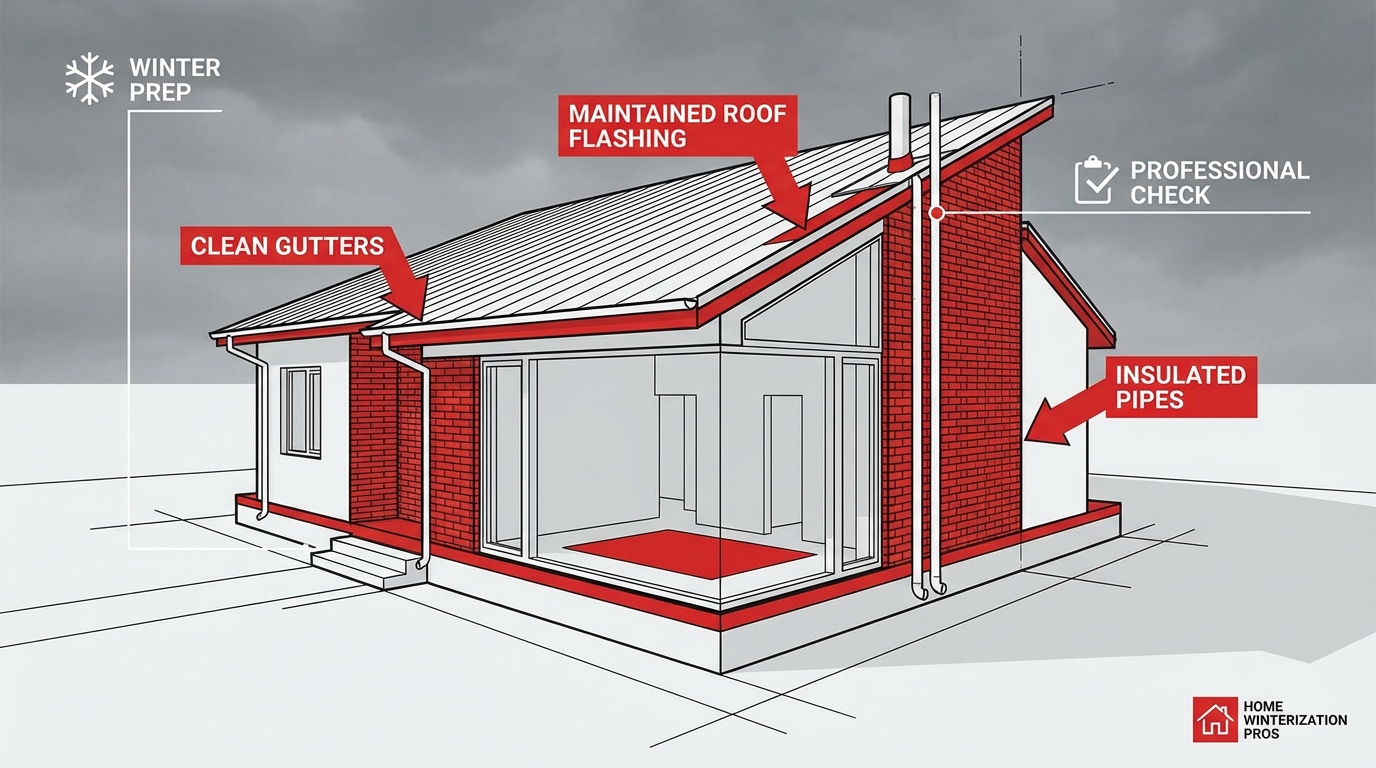
Summer’s warmth is still lingering across Sydney, but smart homeowners know that winter preparation doesn’t start when the cold arrives—it begins now. While late January might seem an unusual time to think about winter home maintenance Sydney residents need to hear this: the homes that survive winter without emergency callouts, burst pipes, or electrical failures are the ones prepared months in advance.
Every year, Sydney, Central Coast, and Newcastle experience a surge in emergency plumbing, electrical, and roofing calls during winter months. Burst pipes from unexpected cold snaps. Hot water systems failing during the coldest mornings. Electrical hazards from overloaded heaters. Roof leaks discovered too late. Storm damage from winter weather. These aren’t random failures—they’re predictable problems that occur in homes without proper seasonal maintenance.
This comprehensive guide delivers everything Sydney homeowners need to winter-proof their properties across all critical systems: plumbing, electrical, roofing, drainage, and hot water. Whether you’re in metropolitan Sydney, the Central Coast, or Newcastle, this checklist ensures your home stays warm, safe, dry, and fully functional when winter arrives. Better still, proper preparation now saves thousands in emergency repairs later.
Why Winter Preparation Matters in Sydney
Sydney’s winter might be mild compared to other regions, but don’t let that fool you. Our unique climate creates specific challenges that catch unprepared homeowners off guard every single year.
Temperature Fluctuations Cause Hidden Damage
Sydney experiences significant day-to-night temperature swings during winter. A pleasant 18°C afternoon can plummet to 5°C overnight. These rapid temperature changes cause materials to expand and contract repeatedly, weakening pipe joints, loosening electrical connections, and creating gaps in roofing seals.
Western Sydney suburbs and elevated areas around the Central Coast regularly experience frost conditions. Underground pipes that were fine in summer suddenly face freezing risks in winter. Exposed outdoor plumbing becomes vulnerable. Hot water systems work harder in cold conditions, revealing weaknesses that weren’t apparent during warmer months.
Increased Demand on Home Systems
Winter fundamentally changes how your home operates. Heating systems that sat dormant for months suddenly run daily. Hot water usage increases by 30-40% as everyone wants longer, hotter showers. Clothes dryers replace outdoor clotheslines. Indoor lighting runs longer. Your electrical system faces loads it hasn’t managed since last winter.
This increased demand exposes vulnerabilities. The space heater that worked fine last year is now plugged into wiring that’s aged another twelve months. The hot water system that managed moderate use in summer can’t keep up with winter demand. The roof that had minor issues in summer now leaks under heavy winter rain.
Storm Season Overlaps with Winter
Sydney’s winter storm season brings heavy rainfall, strong winds, and occasionally hail. These conditions test every aspect of your property’s weather protection. Gutters that seemed fine with light summer rain overflow under winter downpours. Small roof gaps that dried quickly in summer now channel water into ceiling cavities. Drainage systems handling normal flow back up under storm conditions.
The combination of cold temperatures and wet conditions creates the perfect environment for problems to escalate. A small roof leak becomes a ceiling collapse. A partially blocked drain causes internal flooding. A minor electrical issue becomes a safety hazard.
Essential Plumbing Maintenance for Sydney Winter
Your plumbing system requires specific attention before winter arrives. Water-related emergencies spike during cold months, and proper preparation prevents the majority of these costly, disruptive problems.
Inspect and Protect Outdoor Plumbing
Outdoor taps, irrigation systems, and exposed pipes face the greatest winter risks. Start your preparation by thoroughly inspecting every outdoor water connection.
Check for:
- Dripping taps indicating washer failure
- Corrosion around tap fixtures and pipe connections
- Loose or damaged tap handles
- Cracks in tap bodies or exposed pipes
- Inadequate insulation on exposed pipework
- Garden hoses still connected (disconnect and store these)
Consider installing frost-proof outdoor tap covers for exposed taps in frost-prone areas. These simple additions provide critical protection during cold snaps. For properties with irrigation systems, ensure your system can be fully drained or winterized according to manufacturer specifications.
Prevent Burst Pipes Before They Happen
Burst pipes represent one of winter’s most devastating and expensive emergencies. A single burst can cause tens of thousands in water damage, yet prevention is straightforward when addressed early.
Critical burst pipe prevention steps:
- Insulate pipes in roof spaces, under floors, and external walls
- Identify and protect pipes in unheated areas
- Repair minor leaks now before cold weather worsens them
- Know your main water shutoff location and test it works
- Consider smart water monitoring systems for early leak detection
- Address any areas of inadequate building insulation around pipework
Professional plumbers use thermal imaging to identify vulnerable pipe sections that homeowners can’t see. This technology pinpoints exactly where insulation or protection is needed, rather than guessing and potentially missing critical areas.
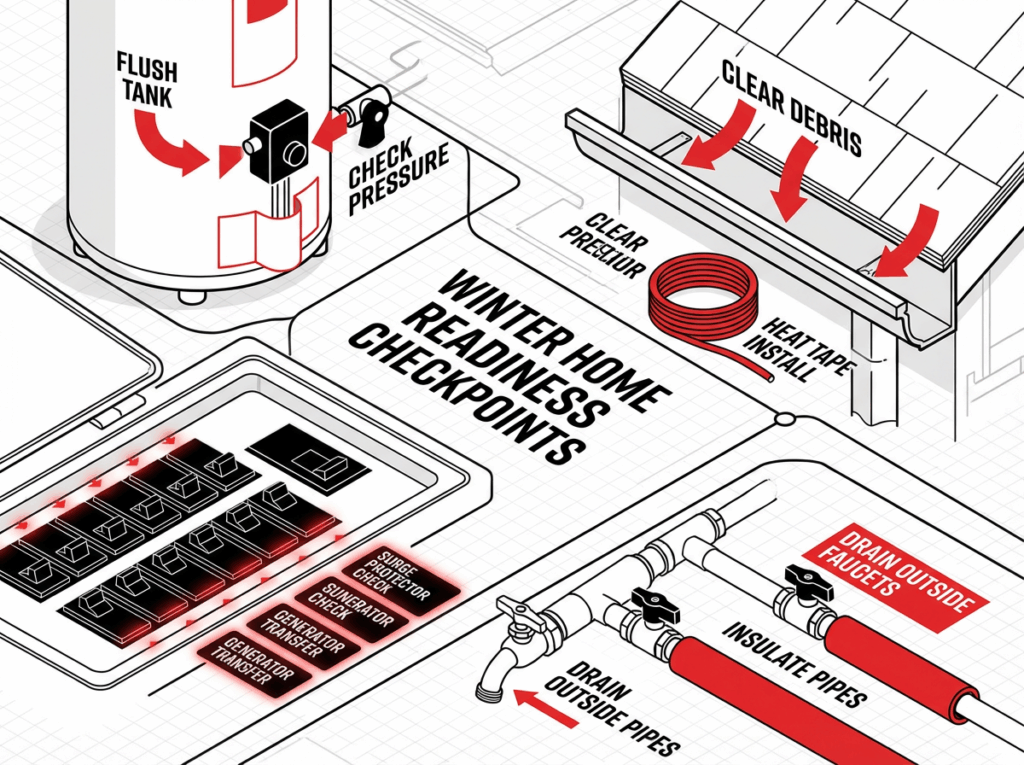
Service Your Hot Water System Now
Hot water system failures peak during winter for obvious reasons—increased demand reveals systems already operating at the edge of their capacity. A comprehensive hot water service before winter prevents those dreaded cold morning showers.
Professional hot water servicing includes:
- Pressure relief valve testing and replacement if needed
- Anode rod inspection and replacement (extends system life by years)
- Temperature and pressure settings verification
- Visual inspection for rust, corrosion, or leaks
- Burner and element efficiency testing
- Sediment flushing from storage tanks
- Connection security checks
Hot water systems over 8 years old particularly benefit from pre-winter servicing. These units are approaching the end of typical lifespan, and professional assessment identifies whether yours will make it through another winter or should be replaced proactively rather than failing mid-season.
Test All Drainage Systems
Winter rain overwhelms drainage systems that seemed adequate during drier months. Test your drainage now by running water through all systems and observing performance.
Drainage maintenance checklist:
- Run taps and observe drain speed in all sinks, showers, and baths
- Flush all toilets and check for proper, complete drainage
- Listen for gurgling sounds indicating partial blockages
- Check floor waste drains in laundries and bathrooms
- Inspect visible drainage pipes for leaks or damage
- Consider professional drain camera inspection for older homes
Slow drains rarely improve on their own—they progressively worsen until complete blockage occurs. Professional drain cleaning now prevents emergency blockages during winter when plumbers are busiest and wait times are longest.
Critical Electrical Safety for Winter Heating
Electrical fires increase by approximately 30% during winter months, primarily due to heating appliances, overloaded circuits, and older wiring unable to handle increased loads. A professional electrical safety inspection before winter could literally save your home and family.
Professional Electrical Safety Inspection
Licensed electricians assess your home’s electrical system capacity and identify hazards that homeowners typically can’t see. This inspection becomes essential if you’ve lived in your property less than twelve months and haven’t experienced winter electrical loads yet.
Professional inspection covers:
- Switchboard condition and circuit breaker functionality
- RCD (safety switch) testing on all required circuits
- Wiring capacity for planned heating loads
- Indoor and outdoor light fixture condition
- Power point security and wear assessment
- Smoke alarm testing and battery replacement
- Potential upgrade requirements for modern appliances
Homes over 20 years old often have outdated electrical systems never designed for modern heating loads. Professional assessment determines whether your system safely handles your winter needs or requires upgrades before problems occur.
Heating Appliance Safety Checks
Space heaters, electric blankets, and portable heaters cause hundreds of house fires annually across NSW. Before retrieving these appliances from storage, conduct thorough safety checks.
Heater safety inspection points:
- Inspect power cords for fraying, damage, or exposed wires
- Check plug connections are firm and show no burn marks
- Ensure heater guards and safety features are intact
- Verify auto-shutoff features function properly
- Clean dust and debris from heating elements
- Test on low setting first before full operation
- Discard any appliance over 10 years old or showing deterioration
Never use extension cords with heaters—plug directly into wall outlets. Never leave heaters running unattended or overnight. Keep heaters at least one meter from curtains, furniture, bedding, and any flammable materials. These simple rules prevent the majority of heater-related fires.
Upgrade Outdated Electrical Infrastructure
If your home still has old ceramic fuses rather than modern circuit breakers, or lacks RCD protection on power circuits, winter preparation presents the perfect opportunity to upgrade electrical safety infrastructure.
Modern switchboards provide circuit-level protection, much faster response to faults, and reset easily after overloads without replacing fuses. RCD devices detect dangerous electrical faults and disconnect power in milliseconds, preventing electrocution and fires.
Many Sydney properties built before 2000 lack adequate electrical protection by current standards. Licensed electricians assess your specific situation and recommend cost-effective upgrades that dramatically improve safety and functionality.
Roof and Gutter Maintenance Before Winter
Your roof and gutter system provides your home’s primary weather protection. Winter storms expose every weakness in this system, and proper preparation now prevents leaks, water damage, and structural problems later.
Comprehensive Roof Inspection
Professional roof inspections identify problems invisible from ground level. Small issues in summer become major leaks under winter rain pressure.
Professional roof inspection includes:
- Tile or metal sheeting condition and security
- Ridge cap integrity and sealing
- Valley condition (common leak points)
- Flashing around chimneys, vents, and skylights
- Sarking and underlay condition (where visible)
- Signs of previous repairs that may have failed
- Rust or corrosion on metal roofing
- Broken, cracked, or displaced tiles
Catching roof problems early makes repairs straightforward and affordable. Waiting until leaks appear often means water has been entering for months, damaging ceiling insulation, timber framing, and potentially creating mold issues that cost thousands to remediate properly.
Thorough Gutter and Downpipe Cleaning
Blocked gutters cause more water damage than almost any other preventable issue. Sydney’s eucalyptus trees shed leaves year-round, and accumulated debris prevents proper water flow during winter storms.
Complete gutter maintenance involves:
- Remove all leaves, twigs, and debris from entire gutter run
- Flush gutters with water to identify poor drainage areas
- Check all downpipes are clear and flowing freely
- Inspect gutter bracket security and alignment
- Look for rust spots requiring repair or replacement
- Ensure gutter grade directs water toward downpipes
- Verify downpipe discharge directs water away from foundations
Properties with nearby trees benefit from twice-yearly gutter cleaning—once in late summer (now) and again in late autumn before peak winter rain. Gutter guards reduce but don’t eliminate cleaning requirements, and should be inspected to ensure they’re not creating new drainage restrictions.
Address Storm Damage Risks
Winter storms bring strong winds that test roof security. Loose tiles, deteriorated flashing, or weakened ridging becomes dangerous and damaging when winter weather arrives.
Professional roofers secure loose components, replace damaged sections, and ensure your roof is mechanically sound before storm season begins. This preventive work costs a fraction of emergency repairs after storm damage occurs—and prevents the secondary water damage that happens when roofs fail.
For older roofs approaching end-of-life, pre-winter assessment helps you decide whether to complete one more winter of repairs or invest in roof replacement during calmer weather when scheduling and pricing are more favorable.
Drainage and Stormwater System Preparation
Stormwater drainage failures cause flooding, foundation damage, and landscape erosion. Sydney’s intense winter storms overwhelm inadequate or blocked drainage systems, and problems often don’t appear until significant damage has occurred.
Inspect and Clear Stormwater Drains
Stormwater drains collect water from roofs, driveways, and paved areas and direct it safely away from your property. Blockages in this system cause water to pool around foundations or flow into areas where it creates damage.
Stormwater system maintenance includes:
- Locate all stormwater drain grates on your property
- Remove debris, leaves, and sediment from grates
- Flush drains with hose to test flow
- Listen for gurgling sounds indicating partial blockages
- Check discharge points are not blocked or redirecting water poorly
- Consider professional camera inspection for persistent issues
Tree roots represent a common stormwater drainage problem. Roots infiltrate pipe joins seeking water, eventually creating significant blockages that only worsen over time. Professional drain camera inspection identifies root intrusion early, allowing targeted repairs before complete blockage and potential pipe collapse.
Prevent Foundation Water Problems
Water pooling near foundations causes structural movement, cracking, and moisture penetration into subfloor areas. Winter rain creates conditions where these problems develop rapidly if drainage isn’t adequate.
Ensure ground slopes away from your house at all points. Check that downpipe discharge points direct water at least 1.5 meters from foundations. Paved areas should have proper fall toward drainage points, not toward building walls. Garden beds against house walls should have good drainage and not collect water.
Properties experiencing damp subfloor areas or basement moisture often have inadequate surface drainage. Professional assessment identifies problem areas and implements drainage solutions that protect your home’s structural integrity and indoor environment quality.
Creating Your Winter Preparation Schedule
Effective winter preparation doesn’t happen all at once. Strategic scheduling ensures everything receives attention before winter arrives while spreading costs across several months.
Late January – February: Planning and Inspections
Focus on:
- Professional plumbing inspection
- Electrical safety assessment
- Roof and gutter condition evaluation
- Identify required repairs and obtain quotes
- Schedule major work for March-April
March – April: Major Repairs and Servicing
Complete:
- Hot water system servicing
- Roof repairs and gutter replacement if needed
- Electrical upgrades or repairs
- Plumbing repairs and pipe insulation
- Drainage system improvements
May: Final Checks Before Winter
Verify:
- All repairs completed satisfactorily
- Gutters cleaned again if necessary
- Heating appliances tested and safe
- Emergency tradesperson contacts saved
- Home prepared for first cold weather
When to Call Professional Services for Winter Preparation
While some winter preparation tasks are homeowner-friendly, many require professional expertise, equipment, and licensing. Knowing when to call licensed tradespeople protects your safety, ensures compliance, and delivers better long-term results.
Always Use Licensed Professionals For:
- Any electrical work beyond changing light bulbs
- All gas appliance servicing and repairs
- Hot water system servicing or replacement
- Roof repairs requiring roof access
- Internal plumbing repairs
- Drainage system repairs or modifications
- Electrical safety inspections
- Smoke alarm installation and hardwired replacements
Licensed tradespersons carry insurance, guarantee their work, and ensure compliance with Australian standards and building codes. DIY work on these systems risks safety hazards, insurance claim denials, and problems when selling your property.
Benefits of Using AIM LOCAL for Winter Preparation
Coordinating multiple trades for comprehensive winter preparation can be complex and time-consuming. AIM LOCAL simplifies this process by providing licensed plumbers, electricians, and roofers through one trusted company.
AIM LOCAL advantages:
- Single point of contact for plumbing, electrical, and roofing needs
- Coordinated scheduling reduces disruption
- Consistent quality standards across all trades
- Local knowledge of Sydney, Central Coast, and Newcastle conditions
- 24/7 emergency support if winter problems occur despite preparation
- Transparent pricing and honest recommendations
- Fully licensed, insured, and compliant professionals
Frequently Asked Questions About Winter Home Maintenance Sydney
When should I start preparing my Sydney home for winter?
Late January through February represents the ideal time to begin winter preparation. This timing allows you to complete inspections, obtain quotes, schedule repairs during less busy periods, and address all issues before winter weather arrives in June. Starting early also spreads costs across several months rather than facing expensive emergency repairs during winter.
How much does professional winter home preparation cost in Sydney?
Comprehensive winter preparation typically costs $600-$1,500 depending on your home’s condition and required services. A professional plumbing inspection costs $180-$300, electrical safety check $150-$250, roof inspection $200-$400, hot water service $180-$350, and gutter cleaning $150-$300. While this investment seems significant, it prevents emergency repairs averaging $2,000-$5,000 that occur in unprepared homes. View winter preparation as insurance against much larger emergency expenses.
Do Sydney homes really need winter preparation?
Absolutely. Sydney’s winter may be mild compared to other regions, but temperature fluctuations, frost conditions in outer suburbs, winter storms, and increased system demands create genuine risks. Emergency plumbers, electricians, and roofers see dramatic increases in callouts during winter months—almost entirely from homes without proper preparation. The question isn’t whether Sydney homes need preparation, but whether you’d rather invest in prevention or pay for emergency repairs.
Can I do winter home maintenance myself?
Homeowners can complete basic tasks like gutter cleaning (if safely accessible), outdoor tap inspection, heater safety checks, and drainage testing. However, professional services are required for hot water servicing, electrical safety inspections, roof repairs, and internal plumbing work. These tasks require licensing, specialized equipment, and expertise that ensure safety, compliance, and effective long-term solutions. A hybrid approach—DIY for simple tasks, professional services for technical work—provides the best balance of cost-effectiveness and quality.
What are the most common winter emergencies in Sydney?
The most frequent winter emergency callouts involve burst pipes from cold snaps, hot water system failures under increased demand, electrical issues from heater overloads, roof leaks discovered during heavy rain, and blocked drains overwhelmed by storm water. These problems share a common thread—they’re all preventable through proper pre-winter preparation. Homes that complete comprehensive winter preparation rarely experience these emergencies.
How often should I service my hot water system?
Hot water systems require professional servicing annually, ideally before winter when demand increases significantly. Systems over 8 years old benefit from more frequent inspection—every 8-10 months—as they approach typical 10-15 year lifespans. Annual servicing extends system life by years, improves efficiency, and identifies developing problems before complete failure occurs. The $180-$350 service cost is minor compared to $2,000-$4,500 emergency replacement costs, plus the inconvenience of no hot water during winter.
Protect Your Home This Winter—Start Preparation Now
Winter home maintenance Sydney homeowners complete in late summer separates comfortable, problem-free winter living from expensive emergency repairs, property damage, and the stress of system failures at the worst possible times.
Every item in this comprehensive guide represents a proven strategy for preventing winter problems. Professional plumbing inspections identify vulnerabilities before they become emergencies. Electrical safety checks prevent fires and failures. Roof and gutter maintenance keeps your home dry and protected. Hot water servicing ensures reliable comfort throughout cold months. Drainage preparation prevents flooding and water damage.
The homeowners who will call AIM LOCAL in June reporting burst pipes, failed hot water, or roof leaks are the ones reading this now and thinking ‘I’ll deal with it later.’ Don’t become that emergency callout. Take action this week while preparation is still straightforward and affordable.
Start with a professional inspection across your plumbing, electrical, and roofing systems. This comprehensive assessment identifies exactly what your home needs for safe, comfortable winter living. You’ll receive clear priorities, honest recommendations, and transparent pricing that allows informed decision-making rather than crisis management.
Ready to Winter-Proof Your Sydney Home?
AIM LOCAL delivers expert winter preparation services across Sydney, the Central Coast, and Newcastle. Our fully licensed plumbers, electricians, and roofers provide comprehensive assessments and professional maintenance that prepares your home completely for winter conditions.
We’re available 24/7 because proper preparation happens during business hours, but emergencies don’t respect schedules. Our goal is ensuring you never need emergency services—through preparation so thorough that winter becomes a non-event for your home systems.
Contact AIM LOCAL today on 1800 187 168 to schedule your winter preparation assessment. Invest a few hundred dollars now to save thousands later. Your warm, dry, fully functional home this winter starts with the decision you make right now.
Don’t wait for winter to arrive—prepare your Sydney home the smart way, the AIM LOCAL way.