
Heat Pump Hot Water Rebates in NSW: What Sydney Homeowners Need to Know
Heat pump hot water rebates in NSW are now available through several government and energy programs, and understanding them can save Sydney homeowners thousands of dollars on the cost of switching from a standard electric or gas system. Whether you are replacing an ageing storage tank or planning a new installation, this guide covers every rebate, incentive, and grant currently on offer in New South Wales.
What Is a Heat Pump Hot Water System?
A heat pump hot water system works by extracting warmth from the surrounding air and using it to heat water stored in a tank — similar in principle to how a refrigerator moves heat in reverse. Unlike a standard electric storage system that uses a heating element to generate heat directly, a heat pump system uses electricity only to move heat, making it roughly three to four times more energy-efficient.
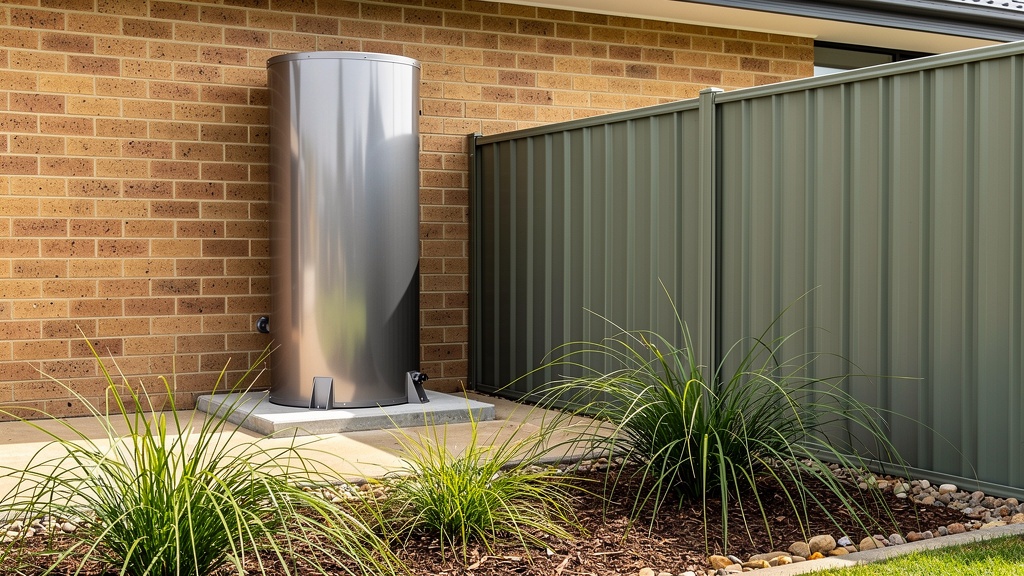
The typical Australian residential setup combines a compressor unit (the outdoor component, which looks similar to a reverse-cycle air conditioning unit) with a storage cylinder. The cylinder holds anywhere from 160 litres to 400 litres depending on household size. Most systems operate well down to around 5 degrees Celsius, which makes them suitable for most of Sydney and the NSW coastal regions.
Why heat pumps are growing in NSW
The NSW Government and the federal government have both identified heat pump water heaters as a key tool for reducing residential energy use and carbon emissions. Electric storage hot water systems account for roughly 25% of a typical home’s energy bill. Switching to a heat pump can cut that portion by 60-70%. With electricity prices continuing to rise, the payback period on the higher upfront cost has shortened considerably.
That said, heat pumps remain a minority choice in Australian homes. The majority of Sydney households still use either a traditional electric storage tank or a gas system. Heat pumps and solar hot water are growing categories — particularly since rebate programs have made them financially competitive — but they are not yet the dominant system type.
NSW and Federal Rebates Available in 2026
There are currently multiple pathways to rebates and incentives for heat pump hot water systems in New South Wales. Here is a breakdown of what is on offer:
Small-scale Technology Certificates (STCs)
The federal government’s Small-scale Renewable Energy Scheme (SRES) is the largest rebate mechanism available to NSW homeowners. When you install an eligible heat pump hot water system, the installer creates Small-scale Technology Certificates on your behalf. These certificates can be sold or assigned to the retailer in exchange for a point-of-sale discount.
| System type | Typical STC value (Sydney zone) | Approx. discount |
|---|---|---|
| Heat pump 270-315L | 23-30 STCs | $600-$900 |
| Heat pump 315-400L | 30-40 STCs | $800-$1,200 |
| Solar hot water (evacuated tube) | 35-50 STCs | $950-$1,500 |
STC values fluctuate based on market prices. The STC scheme is scheduled to phase out by 2030, with the annual multiplier reducing each year. Installers apply for STCs on your behalf — you do not need to do anything separately in most cases.
NSW Energy Savings Scheme (ESS)
The NSW Energy Savings Scheme allows accredited certificate creators to generate Energy Savings Certificates (ESCs) when they install energy-efficient equipment. Heat pump hot water systems can qualify. Accredited retailers and installers typically pass this discount on through lower purchase prices or cashback offers.
The ESS operates differently from the federal STC scheme. It is administered by IPART (the Independent Pricing and Regulatory Tribunal) and applies to households and businesses across New South Wales. The discount amount varies by retailer and is not always separately disclosed — often it is bundled into the advertised price.
NSW Household Energy Savings Program
The NSW Government has periodically run direct rebate programs targeting low-income households and renters. As of mid-2026, the Energy Bill Relief program provides eligible low-income households with access to subsidised or free heat pump hot water systems through approved installers. Eligibility is generally means-tested and linked to holders of a Centrelink concession card.
Check the NSW Government energy grants and rebates page for current program status, as these programs open and close throughout the year.
Home Energy Upgrade Fund
The federal government’s Home Energy Upgrade Fund (administered through the Australian Renewable Energy Agency, ARENA) is rolling out finance and rebate options for major energy upgrades including hot water systems. This program works through approved lenders and is separate from the STC scheme. It is targeted at households wanting to electrify multiple appliances at once, not just the hot water system.
How Much Can You Actually Save?
The total upfront cost of a heat pump hot water system in Sydney — before rebates — typically ranges from $2,200 to $4,500 depending on brand, capacity, and installation complexity. After applying STCs and ESS credits, the effective out-of-pocket cost is usually $1,400 to $3,200.
| Scenario | System + install (before rebates) | Est. rebate/discount | Effective cost |
|---|---|---|---|
| 270L heat pump, standard install | $2,200-$2,800 | $700-$1,000 | $1,400-$2,100 |
| 315L heat pump, standard install | $2,800-$3,500 | $900-$1,200 | $1,800-$2,600 |
| 400L heat pump, complex install | $3,500-$4,500 | $1,000-$1,500 | $2,200-$3,200 |
| Low-income household (subsidised program) | Varies | Up to 100% | $0-$500 |
On the running costs side, a heat pump system typically uses around 700-900 kWh per year to heat water for a family of four, compared to 3,000-4,000 kWh for a standard electric storage system. At Sydney electricity rates of roughly $0.30-0.38 per kWh, that is a saving of $700 to $1,100 per year on energy bills alone.
For most Sydney households, the additional upfront cost of a heat pump (over a like-for-like standard electric replacement) pays back within three to five years through energy savings alone — faster if electricity prices continue to rise.

Which Heat Pump Systems Are Eligible for Rebates?
Not every heat pump hot water system qualifies for rebates. For STC eligibility, systems must be listed on the Clean Energy Regulator’s approved product list. Key requirements include:
- Minimum coefficient of performance (COP) of 3.0 — meaning the system produces at least 3 kWh of heat energy per 1 kWh of electricity consumed
- Rated by an accredited body to Australian standards (AS/NZS 4234 or similar)
- Installed by a licensed plumber with appropriate qualifications
- System capacity of at least 160 litres
Commonly approved brands available in Australia include Sanden, Reclaim Energy, Enviroheat, Rheem, and Dux. Your licensed plumber or hot water specialist will know which models are currently on the approved list — the list changes as new products are certified.
Installation requirements
Heat pump systems require adequate space and airflow to operate efficiently. Key installation considerations for Sydney homes include:
- The unit needs to be outdoors or in a well-ventilated space — typically the same area as your existing tank
- The compressor unit must have at least 1 metre of clearance on the air intake side
- Some systems produce noise comparable to a split-system air conditioner — placement relative to bedrooms and neighbours matters
- Cold-climate performance varies by model — most Sydney-compatible units handle down to 5-7 degrees without issue
- Older homes may need electrical upgrades to accommodate the system’s power draw at startup
If your current system runs on gas, switching to a heat pump involves both a plumber and potentially an electrician. The electrical connection and any switchboard upgrades needed are part of the total installation cost. See our guide on gas hot water systems in Sydney for comparison.
Heat Pump vs Solar vs Gas: Which Is Right for Your Home?
With heat pump rebates now available, many homeowners are comparing the three main options when their current system needs replacing. Here is an honest comparison for Sydney conditions:
Heat pump hot water
Best for households with: high electricity consumption, a reasonable budget, and space for the unit outdoors. Heat pumps produce zero direct emissions and are the most energy-efficient electric option. They work year-round in Sydney’s climate without supplementary heating in most cases. Noise can be a consideration for closely-spaced homes. Upfront cost is higher than a basic electric tank but rebates close the gap.
Solar hot water
Solar systems (evacuated tube or flat plate collectors with a storage tank) typically attract higher STC values than heat pumps, but installation cost is also higher — particularly if your roof requires reinforcement. Performance drops on overcast days and in winter, often requiring an electric or gas booster. Roof space and orientation matter significantly. Generally better suited to homes with large roof areas and a northerly aspect.
Gas storage and continuous flow
Gas remains a popular option across Sydney, particularly for households already connected to the natural gas network. Continuous flow (instantaneous) gas systems have no storage tank — they heat water on demand and take up minimal space. Running costs are currently competitive but depend heavily on gas price movements. The NSW Government’s trajectory is toward electrification, and some analysts expect gas network costs to rise as fewer households remain connected. See our gas plumbing safety guide for maintenance considerations.
Standard electric storage
A basic electric storage tank is the cheapest system to buy and install but the most expensive to run. Without the benefit of rebates or renewable energy certificates, it offers no upfront savings. Most plumbers recommend against installing new electric storage tanks when a heat pump or solar system is feasible, given the running cost difference over the system’s 10-15 year lifespan. If you currently have a malfunctioning electric hot water system, our team can assess whether repair or replacement — and which type of replacement — makes the most economic sense. See our water heater repair Sydney page for repair options.
How to Apply for Heat Pump Rebates in NSW
For most homeowners, the process is straightforward because your licensed installer handles the rebate paperwork. Here is what typically happens:
- Get a quote from a licensed plumber or hot water specialist — ask specifically about STCs and whether they assign STCs at point of sale (most reputable installers do)
- Choose an eligible system — your installer will recommend systems on the Clean Energy Regulator’s approved list
- Confirm installation requirements — site inspection, electrical capacity, placement
- Installer applies for STCs — after installation, your installer lodges the certificate creation. You receive the discount either as a reduced purchase price or a cashback
- For ESS certificates — accredited installers apply separately; discount is usually bundled into the quoted price
- For means-tested programs — apply directly through the NSW Government’s service portal with proof of Centrelink entitlement
Keep documentation of your installation for tax purposes. If you are a landlord, a heat pump upgrade may be claimable as a capital improvement under ATO guidelines — consult your accountant. Our guide on landlord repair responsibilities in NSW covers the distinction between repairs and improvements.
Mistakes to avoid when claiming rebates
- Buying a system not listed on the Clean Energy Regulator’s approved product list — no STCs will be created
- Installing without a licensed plumber — ineligible for rebates and potentially invalid insurance
- Assuming all heat pump systems attract the same STC value — it varies by rated output and zone
- Missing the window for means-tested programs — these often close when funding runs out
How Long Do Heat Pump Systems Last?
A well-maintained heat pump hot water system typically lasts 10-15 years. The compressor is the component most likely to require attention over time. Most reputable brands offer a 5-year manufacturer warranty on parts and an extended warranty on the storage cylinder (often 7-10 years). Annual servicing — flushing the anode rod, checking the pressure relief valve, inspecting the compressor — extends system life and maintains efficiency.
If you have an existing heat pump that is underperforming, our team handles heat pump servicing and repairs across Sydney, the Central Coast, and Newcastle. Early attention to efficiency drops or unusual noise usually prevents more expensive compressor failures later. Our hot water system buying guide covers what to look for in a replacement.
For expert local plumbing support, use aim local contact us now.
Ready to Switch to a Heat Pump Hot Water System?
AIM LOCAL installs eligible heat pump systems across Sydney, Central Coast and Newcastle. We handle all STC paperwork and can advise on every rebate available for your property.
Get Your Free QuoteFrequently Asked Questions
What rebates are available for heat pump hot water systems in NSW?
The main rebates are federal Small-scale Technology Certificates (STCs) under the SRES, NSW Energy Savings Certificates (ESCs) under the Energy Savings Scheme, and periodic means-tested programs for low-income households. STCs are the largest and most widely available, typically worth $600-$1,200 for a residential heat pump installation.
How much does a heat pump hot water system cost after rebates in NSW?
After applying available rebates, most Sydney homeowners pay $1,400-$2,600 for a heat pump system including installation, depending on capacity and installation complexity. Low-income households may qualify for heavily subsidised systems through government programs.
Do I need to apply for the rebate myself?
In most cases, no. For STCs, your accredited installer applies for the certificates on your behalf and passes the discount on through a reduced price or cashback. For means-tested programs, you apply directly through the NSW Government portal with Centrelink documentation.
Can I get a rebate for replacing a gas hot water system with a heat pump?
Yes. STC eligibility is based on the new system installed, not the system being replaced. If you switch from gas to an eligible heat pump system and use a licensed installer, you qualify for STCs. Fuel-switching may also attract additional state incentives where available.
How much can a heat pump save on electricity bills?
A heat pump typically uses 60-70% less electricity than a standard electric storage system for the same output. For a Sydney family of four, this typically translates to $700-$1,100 per year in electricity savings at current retail electricity rates.
Are heat pump systems noisy?
Modern heat pump units operate at around 45-55 decibels — comparable to a quiet air conditioning unit. Noise is generally not an issue during daytime hours, but placement matters for units near bedrooms or close to neighbouring properties. Ask your installer about the noise rating of the specific model being installed.
Can heat pump hot water systems work in Sydney’s winter?
Yes. Sydney winters rarely drop below 5 degrees Celsius, and most heat pump systems designed for Australian conditions operate efficiently down to 5-7 degrees. Some premium models handle ambient temperatures as low as minus 10 degrees. Your installer will confirm whether the specific model suits your area’s climate.