
Your Sydney Water Heater Is Playing Up — Here’s What’s Actually Going On
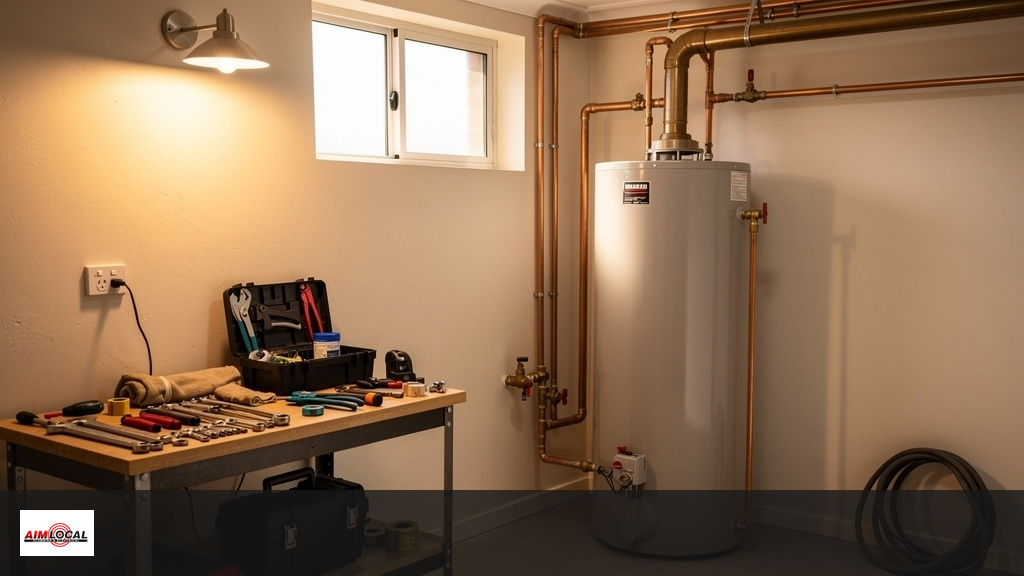
Water heater repair in Sydney is one of the most common calls licensed plumbers receive, and for good reason — the vast majority of Australian homes rely on a traditional white cylindrical storage tank mounted on an external wall, and when it fails, hot water stops flowing entirely. Whether you’ve got no hot water this morning, a tank that’s leaking from the base, or water that’s barely warm, this guide walks you through exactly what’s wrong, what it costs to fix it, and how to choose a reliable tradesperson in Sydney.
How Storage Tank Systems Work in Australian Homes
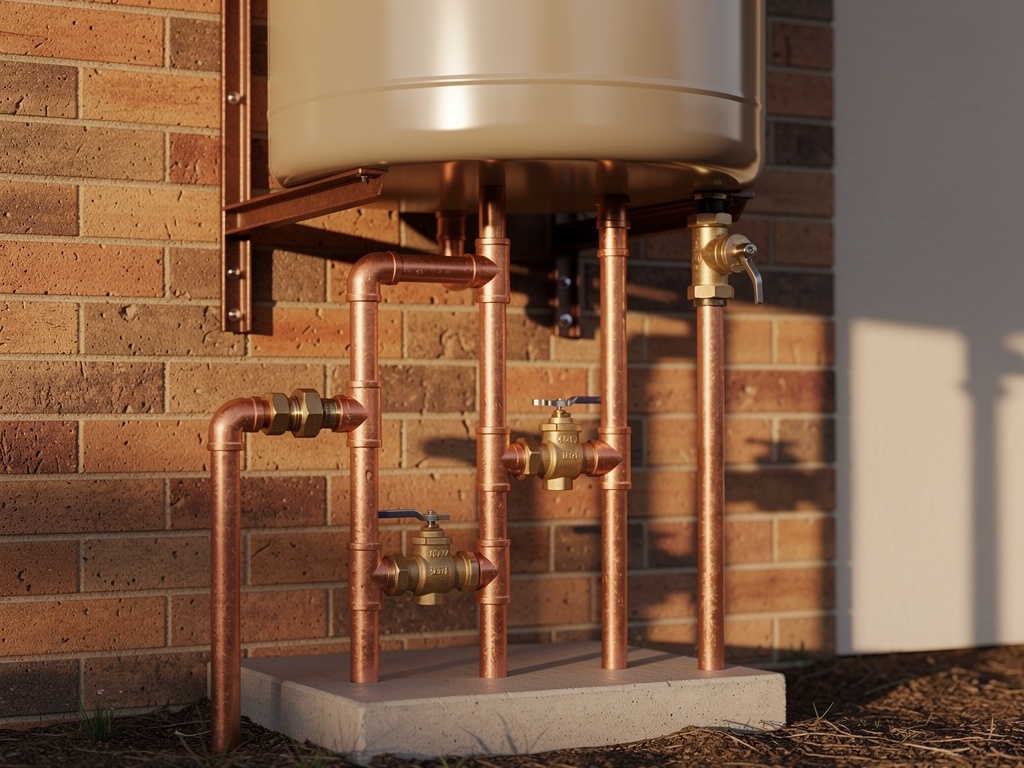
The most common hot water system in Sydney is the electric storage tank — a white cylindrical unit typically mounted on an external wall or housed in a utility area. These tanks hold between 125 and 400 litres of water and keep it hot around the clock using one or two electric heating elements controlled by a thermostat.
Gas storage tanks work the same way but use a gas burner at the base rather than electric elements. Both types rely on a pressure and temperature relief (PTR) valve as a critical safety device — if the valve is faulty or the tank overheats, the PTR valve releases pressure before the tank fails catastrophically.
Most Sydney homes that were built before 2010 have either an electric or gas storage tank as their primary hot water system. These units typically last 8–12 years with regular maintenance, though many run longer without any servicing at all. When they do fail, the fault is usually straightforward to diagnose.
Understanding which type of system you have is the first step before calling for a repair. If you have a large cylindrical tank on an external wall with copper pipes running into it, you have a storage system. If you have a small box-shaped unit mounted near a gas point with no tank, you have an instantaneous (continuous flow) system — the repair approach is different for each.
Common Water Heater Faults and What They Mean
No Hot Water at All
The most common call-out reason in Sydney. For electric storage tanks, the likely cause is a failed heating element or a tripped circuit breaker. Check your switchboard first — if the hot water circuit has tripped, reset it and wait two hours. If it trips again, there’s a fault in the element or thermostat and you’ll need a licensed plumber.
For gas storage tanks, a pilot light that won’t stay lit or a faulty gas valve are the usual culprits. Under NSW regulations, all gas work must be performed by a licensed gas fitter — do not attempt to relight a pilot or adjust gas components yourself beyond the manufacturer’s reset instructions on the unit label.
Water Not Hot Enough
If you’re getting lukewarm water rather than proper hot water, the thermostat on your storage tank may be set too low, faulty, or failing. Australian standards recommend a storage temperature of at least 60°C to prevent Legionella bacteria growth, with delivery to taps at 50°C or above. A thermostat that won’t hold temperature or an element that’s partially failed causes lukewarm output without completely stopping hot water.
Water Leaking from the Tank
A drip from the PTR valve on the side of the tank is normal — it releases small amounts of water during heating cycles as pressure rises. If it’s dripping constantly, the valve needs replacement. A weeping or pooling at the base of the tank is more serious and usually indicates the tank body is corroding from the inside. Once the tank body starts leaking, it cannot be economically repaired — replacement is the only option.
Discoloured or Rust-Coloured Water
Brown, rust-coloured, or metallic-tasting hot water is a sign that the sacrificial anode rod inside your storage tank has been depleted and the tank body is starting to corrode. The anode rod is a magnesium or aluminium rod inside the tank that sacrifices itself to protect the steel tank body. When it’s fully corroded, rust attacks the tank. Anode replacement every 5 years can significantly extend tank life — if caught early enough, it’s a cost-effective repair.
Rumbling or Popping Noises
Sediment builds up at the base of storage tanks over time, especially in areas of Sydney with harder water. When the element heats through this sediment layer, it causes rumbling or popping noises. Flushing the tank periodically can reduce sediment buildup, but a heavily sediment-filled tank loses efficiency and the element often fails sooner.
Water Heater Repair Costs in Sydney (2026)
Most licensed plumbers in Sydney charge a callout fee plus labour, with parts on top. Below are typical market-rate costs for common water heater repairs in the Sydney metro area.
| Repair Type | Typical Cost (Sydney) | Notes |
|---|---|---|
| Heating element replacement | $250–$450 | Includes element + thermostat check |
| Thermostat replacement | $180–$350 | Electric storage tanks |
| PTR valve replacement | $180–$300 | Mandatory safety component |
| Anode rod replacement | $200–$400 | Extends tank life significantly |
| Gas valve or pilot assembly | $300–$550 | Gas fitter licence required |
| Expansion vessel replacement | $250–$450 | Closed-loop systems |
Service fees vary between providers. Always confirm the callout fee before booking.
Most licensed plumbers in Sydney charge $80–$120 during standard hours for a callout, rising to $180–$350 for after-hours, weekend, or public holiday callouts. If you can wait until a weekday, you’ll save substantially on labour costs.
For major repairs exceeding $600–$800, it’s worth getting a second opinion on whether a full replacement might be more cost-effective — particularly on tanks older than 8 years.
Should You Repair or Replace Your Water Heater?
The repair-or-replace decision comes down to three factors: the age of the unit, the nature of the fault, and the cost of the repair relative to a new system.
Repair Makes Sense When:
- The tank is under 8 years old
- The fault is a component (element, thermostat, PTR valve) — not the tank body itself
- The repair cost is less than 40% of a new system installed
- The tank body shows no signs of corrosion or leaking
Replace Rather Than Repair When:
- The tank is over 10 years old and a second major fault has occurred
- The tank body is leaking or showing external rust
- The anode rod is fully depleted and the tank interior is corroded
- Repair costs exceed 50% of a replacement unit installed
A new electric storage tank installed in Sydney typically costs $1,200–$2,000 all inclusive. A comparable gas storage system runs $1,500–$2,500 installed. At these price points, major repairs on an older unit rarely make economic sense — and a new unit comes with a manufacturer warranty of 5–10 years.
If you’re considering replacement, it’s a good time to review whether a different system type might suit you better. Our guide to gas hot water systems in Sydney covers the transition from electric to gas, while our heat pump hot water guide explains the rebates available under NSW and federal schemes for upgrading to energy-efficient systems.
How to Choose a Reliable Sydney Plumber for Water Heater Repairs
In NSW, all plumbing and gas work must be carried out by a licensed tradesperson. Electrical work on hot water systems — such as element replacement — must also be performed by a licensed electrician or a plumber with the appropriate electrical endorsement. Always ask to see the licence before work begins, or verify the licence number through the NSW Fair Trading licence check.
What to Ask Before Booking
- Are you licensed in NSW for plumbing and/or gas fitting?
- What is your callout fee and hourly rate?
- Do you carry common hot water parts on the van (elements, valves)?
- Will you provide a written quote before starting work?
- Do you warranty your workmanship?
Warning Signs to Avoid
- No upfront quote — just “we’ll see what it costs when we get there”
- Unable or unwilling to provide a licence number
- Pressure to replace the entire system when a simpler repair is possible
- Cash only with no receipt or paperwork
Reputable plumbers in Sydney will provide a written quote before starting and will issue a compliance certificate (Certificate of Compliance — Plumbing and Drainage) for any regulated work. If you’re a tenant in a rental property, it’s worth reviewing your landlord’s repair obligations — our article on landlord repair responsibilities in NSW explains what tenants are entitled to expect and the timeframes that apply.
Gas Instantaneous, Heat Pump and Solar Hot Water Systems
While most Sydney homes still run storage tanks, there’s a growing base of instantaneous (continuous flow) gas systems and, more recently, heat pump systems. Repairs for these differ considerably from storage tank work.
Gas Instantaneous Systems
Continuous flow gas systems heat water on demand and have no storage tank. Common faults include ignition failures, blocked heat exchangers, and flow sensor issues. These repairs require a licensed gas fitter and tend to be more technically complex — parts can be difficult to source for discontinued models, and some repairs approach the cost of a new unit.
Heat Pump Systems
Heat pump hot water systems extract energy from ambient air to heat water, similar in principle to a reverse-cycle air conditioner. They’re significantly more energy-efficient than electric storage tanks but have more complex refrigerant components. Repairs to heat pump units require a technician with refrigerant handling certification in addition to a plumbing licence. If you’re interested in upgrading, the NSW Energy Savings Scheme and federal rebates can offset a significant portion of the installation cost — our heat pump guide covers current eligibility in detail.
Solar Hot Water
Solar systems use roof-mounted collectors to heat water, usually with a gas or electric booster. Faults can occur in the collectors, the pump, the controller, or the storage tank. Diagnosis requires checking each component in sequence — always start with the booster system, as this is the most common failure point.
Need a Reliable Plumber for Water Heater Repairs in Sydney?
AIM LOCAL’s licensed plumbers service the greater Sydney area. We carry common hot water parts and provide written quotes before starting any work.
Frequently Asked Questions
How long does a water heater repair take in Sydney?
Most common repairs — element replacement, thermostat, PTR valve — take 1–2 hours once a plumber is on-site and has the right parts. If the part needs to be ordered, allow 1–3 business days. Emergency callouts for no hot water are usually attended within 2–4 hours during business hours.
Can I repair my electric hot water system myself?
No. In NSW, all electrical work — including replacing heating elements — must be performed by a licensed electrician or plumber with an electrical endorsement. Plumbing connections must be done by a licensed plumber. Unlicensed work voids your warranty and may affect your home insurance.
My PTR valve is dripping constantly — is this an emergency?
A constantly dripping PTR valve needs attention within a few days but is not an immediate emergency. It indicates the valve is no longer seating properly and needs replacement. A completely stuck-closed PTR valve is more serious — if you suspect the valve is not functioning at all, call a plumber promptly, as this is a safety issue.
How do I know if my hot water system needs replacing rather than repairing?
If the tank is over 10 years old, the tank body is leaking from the base, or you’re facing a second major repair in quick succession, replacement is usually the smarter financial decision. A licensed plumber can assess the condition of the tank, including checking the anode rod, and advise accordingly.
What rebates are available for replacing my hot water system in NSW?
The NSW Energy Savings Scheme provides point-of-sale discounts when you replace an old electric resistance storage tank with a heat pump system. The federal government also offers rebates under the Small-scale Renewable Energy Scheme (SRES) for solar hot water installations. Ask your plumber which schemes you qualify for at the time of installation.
What is a sacrificial anode and why does it matter?
A sacrificial anode is a rod of magnesium or aluminium inside your storage tank that corrodes preferentially to protect the steel tank body. When the anode is fully depleted, the tank itself begins to corrode from the inside — leading to rust-coloured water and eventually a leaking tank. Replacing the anode every 5 years is one of the best maintenance investments for extending the life of a storage tank system.
Is it safe to run my hot water on the lowest temperature setting to save energy?
No. Australian and NSW guidelines recommend storage temperatures of at least 60°C to prevent Legionella bacteria growth in the tank. Running the system below 50°C creates a health risk. You can save energy by using an off-peak tariff rather than by reducing temperature.