
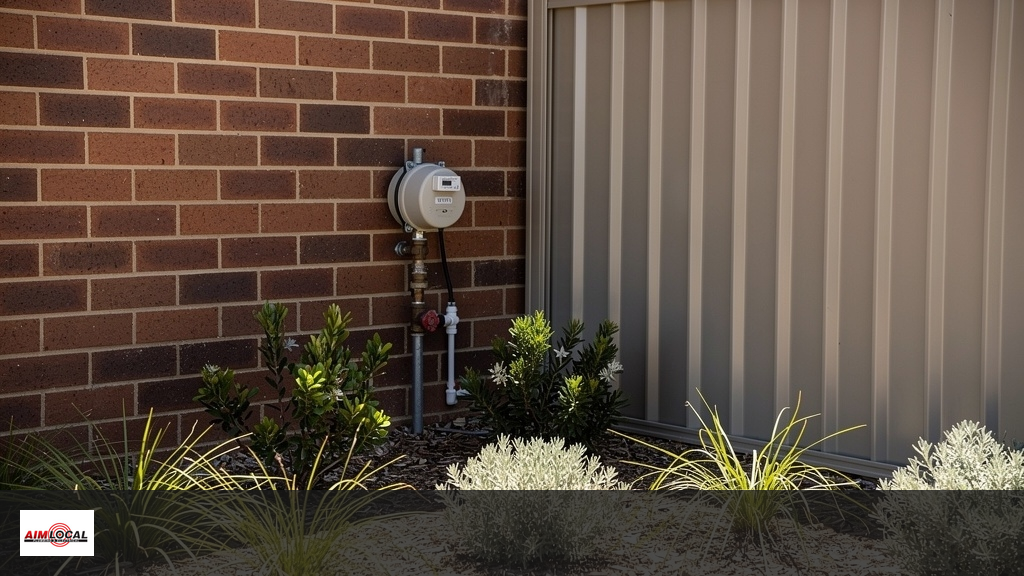
If your water bill too high plumber sydney searches have brought you here, you are not alone — unexpected spikes in water costs are one of the most common calls Sydney plumbers receive. This guide explains exactly what causes those shock bills, how a licensed plumber diagnoses the problem, and what you can expect to pay to fix it.
Table of Contents
- Why Sydney Water Bills Spike Without Warning
- Water Bill Too High Plumber Sydney: How We Diagnose It
- Hidden Leaks: The Silent Cost Behind Your Water Bill
- Toilet Faults: The Most Overlooked Cause in Sydney Homes
- Hot Water System Faults and Water Waste
- Typical Repair Costs for Common Water-Wasting Faults
- What to Do Right Now If Your Bill Is High
- Frequently Asked Questions
Why Sydney Water Bills Spike Without Warning
Sydney Water bills arrive quarterly, which means a fault that starts in January may not show up on your bill until April. By that point, hundreds of litres — sometimes thousands — have already gone down the drain. The most frustrating part is that the water often disappears completely underground or inside walls, so there are no visible signs of a problem until the bill arrives.
Sydney Water’s usage benchmarks give you a useful starting point. A typical Sydney household of two adults uses roughly 150–200 litres per person per day. If your bill implies daily usage well above that figure and your household habits have not changed, something is wasting water somewhere in your system. Sydney Water’s own guidance recommends checking for leaks as the first step whenever usage appears abnormal.
Common culprits include internal pipe leaks, faulty toilet cisterns, dripping taps, and hot water system pressure relief valves that discharge continuously. Less obvious causes include pool auto-fill valves that stick open, drip irrigation controllers with cracked lines, and even slow slab leaks under a concrete floor. A licensed plumber can identify which of these is responsible within a single visit in most cases.
Water Bill Too High Plumber Sydney: How We Diagnose It
When a Sydney plumber attends a high water bill investigation, the process follows a systematic sequence. The first step is always reading the water meter. Most residential meters in Sydney are located near the front boundary of the property, usually in a small concrete pit under a lid. By reading the meter, turning off all water inside the house, and reading it again after 15–30 minutes, a plumber can confirm immediately whether water is moving through your system when nothing should be running.
If the meter continues to tick over with everything turned off, the fault is almost certainly on the supply side — either a leak between the meter and the house, or a fault in one of the fixtures connected to the mains. The plumber will then isolate individual zones of the property to narrow down exactly where the loss is occurring. Internal fixtures such as toilets, taps, and the hot water system are checked next, as these account for the majority of hidden water waste in Sydney homes.
For cases where no obvious fault is found during visual inspection, plumbers use acoustic leak detection equipment. This technology listens for the distinct sound signature of water escaping under pressure — even through a concrete slab or buried pipework. You can read about a real-world example of this process in our earlier article on unexplained high water bills and what a plumber found.
Hidden Leaks: The Silent Cost Behind Your Water Bill
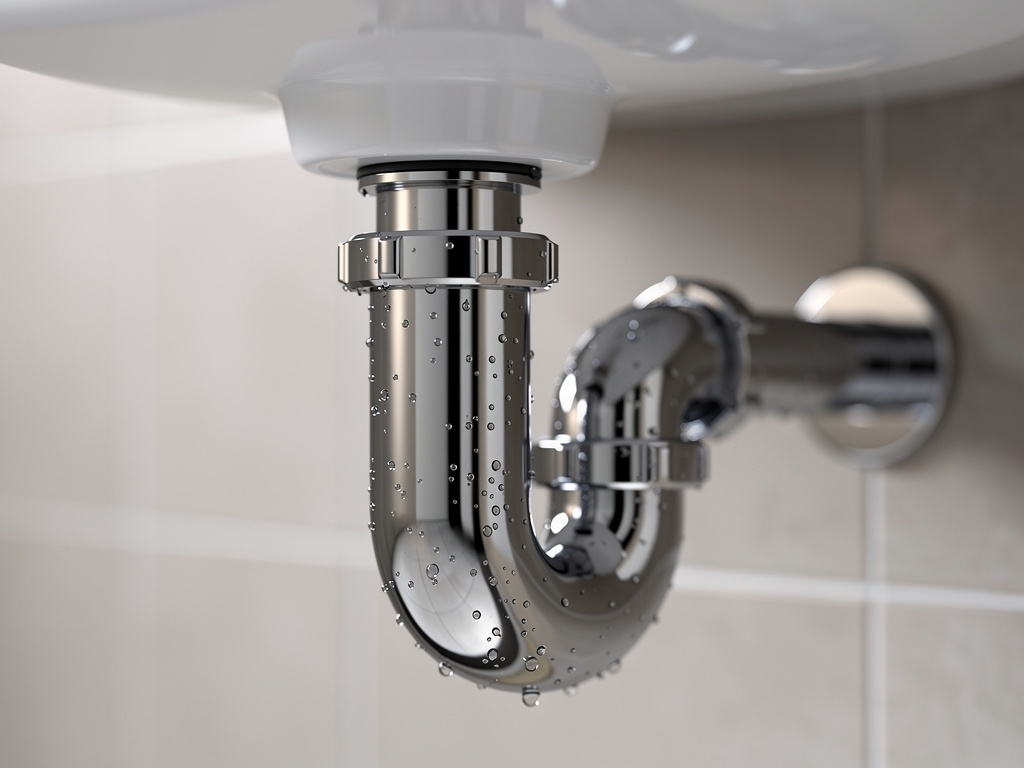
A 1 mm pinhole leak in a pressurised pipe can waste more than 2,000 litres per day. In a Sydney home where mains pressure typically runs at 350–500 kPa, even a tiny crack in a concealed pipe under a floor or inside a wall cavity can rack up enormous losses before it becomes visible. Older homes with copper or galvanised steel pipes are particularly susceptible, as corrosion and electrolytic action weaken the pipe wall over time.
Underground Supply Line Leaks
The cold water main that runs from the meter to your home is buried underground, often under garden beds, pathways, or driveways. Leaks in this section can go completely undetected for months because the water simply soaks into the soil. Signs that you may have a supply line leak include patches of unusually green or lush grass over the pipe’s path, damp soil in dry weather, or a faint hissing sound when everything is turned off.
Locating and repairing underground leaks typically requires excavation once the leak point is confirmed. The homeowner is responsible for all pipework from the meter to the house — Sydney Water is only responsible for the meter and the main in the street. Repair costs depend on the depth and location of the pipe, but most supply line repairs in Sydney are completed within a single day.
Slab Leaks
Slab leaks occur when a pipe embedded in a concrete slab develops a crack or joint failure. They are among the most damaging — and most expensive to ignore — plumbing problems a Sydney homeowner can face. As water escapes under pressure into the surrounding concrete and soil, it can undermine the structural integrity of the slab, cause significant damage to flooring and wall coverings, and create conditions for mould growth.
Acoustic leak detection, combined with thermal imaging in some cases, can pinpoint the exact location of a slab leak without breaking up the entire floor. Once the leak is located, repair options include direct access (cutting a section of the slab), pipe relining, or pipe re-routing through the wall cavity. If you also suspect a blocked drain contributing to water backing up, that should be assessed at the same time to rule out sewer-side issues.
Toilet Faults: The Most Overlooked Cause in Sydney Homes
Toilets account for an estimated 30% of a household’s total water use under normal conditions. A faulty cistern that runs continuously can waste 200–400 litres every single day — completely silently, because the water drains into the bowl and straight down the drain without making the kind of dramatic noise most homeowners associate with a plumbing problem. This makes the toilet the first place an experienced plumber looks when investigating a high water bill in Sydney.
The Dye Test
The simplest way to check if your toilet cistern is leaking into the bowl is the dye test. Add a few drops of food colouring or a dye tablet to the cistern (the tank at the back, not the bowl). Wait 10–15 minutes without flushing. If colour appears in the bowl, water is leaking past the flapper valve. This test costs nothing and can be done in under 20 minutes by any homeowner.
What Fails Inside a Toilet Cistern
The two most common internal failures are the flapper valve (also called the outlet valve seal) and the inlet valve (the fill valve that controls water entering the cistern). A worn or warped flapper valve allows a continuous slow leak into the bowl. A faulty inlet valve may either fail to shut off at all — causing the cistern to overflow into the overflow tube continuously — or it may develop a slow drip that keeps the cistern perpetually refilling.
Replacement parts are inexpensive and widely available in Sydney. The repair itself is straightforward for a licensed plumber and typically takes 30–45 minutes per toilet. For homes with multiple toilets all showing signs of wear — common in properties 15+ years old — replacing all inlet and outlet valves in a single visit is the most cost-effective approach. If you are also considering a water-efficient toilet upgrade, this is the right time to explore the NSW rebate programs available for water-efficient fixtures.
Hot Water System Faults and Water Waste
Hot water systems are a less obvious but surprisingly common cause of high Sydney water bills. Two specific failure modes stand out: a pressure and temperature (P&T) relief valve that is discharging continuously, and a hot water system that has developed an internal leak or is running its element in an inefficient cycle that causes excessive thermal expansion.
P&T Relief Valve Discharge
Every hot water system in Australia is required to have a P&T relief valve — a safety device that vents water if pressure or temperature inside the tank exceeds safe limits. Under normal operation, this valve should open very rarely, if ever. When it begins discharging continuously or regularly (you will see a small pipe dripping or running near the base of the system), the water waste adds up quickly.
Continuous P&T relief valve discharge usually indicates either that the valve itself has failed and needs replacement, or that there is a problem with the expansion control valve (ECV) on the cold water inlet. Both are relatively simple repairs for a licensed plumber, but they must be addressed promptly — a continuously discharging P&T valve is both a water waste issue and a sign that something in the system is not functioning correctly. See our dedicated guide on gas hot water system faults and repairs in Sydney for more detail on these failure patterns.
Considering an Upgrade?
If your hot water system is over 10 years old and has developed repeated faults, replacement may be more economical than ongoing repairs. Modern heat pump hot water systems use 60–70% less energy than electric resistance storage systems and may qualify for significant NSW government rebates. A licensed plumber can assess whether your existing system is worth repairing or whether an upgrade makes better financial sense over the next five years.
Typical Repair Costs for Common Water-Wasting Faults
The table below provides a general guide to repair cost ranges in the Sydney metro area. Prices are market estimates based on typical scope and complexity — actual costs depend on access, materials required, and the specific conditions found on-site. All plumbing work must be performed by a licensed plumber and supported by a Certificate of Compliance (or equivalent documentation) under NSW fair trading requirements.
| Fault Type | Typical Sydney Cost Range | Notes |
|---|---|---|
| Toilet cistern valve replacement (single toilet) | $120 – $220 | Includes parts and labour; both inlet and outlet valves replaced |
| Dripping tap reseating or re-washer | $90 – $180 | Per tap; mixer taps may cost more |
| P&T relief valve replacement (hot water) | $150 – $280 | Includes expansion control valve check |
| Underground supply line repair (minor) | $400 – $900 | Depends on depth, access, and pipe length |
| Slab leak detection (acoustic) | $250 – $500 | Detection only; repair quoted separately after location confirmed |
| Slab leak repair (pipe re-route) | $800 – $2,500+ | Highly variable depending on pipe location and re-route complexity |
| Pool auto-fill valve replacement | $180 – $350 | Pool type and valve access affect cost |
| High-pressure leak investigation (full) | $180 – $320 | Meter test, zone isolation, site assessment; quoted repair cost additional |
Note: after-hours and weekend callouts attract a service fee surcharge across most Sydney plumbing companies. Confirm the callout fee before booking.
What to Do Right Now If Your Bill Is High
If you have received a water bill that is significantly higher than normal, the first step is to check your meter. Locate the water meter at your front boundary and note the reading. Then turn off everything inside the house — including dishwashers, washing machines, and any automatic irrigation — and wait 30 minutes before checking the meter again. If the reading has changed, you have an active leak somewhere between the meter and your taps.
Next, check every toilet in the house using the dye test described above. Check all visible taps for dripping, and look at the P&T relief valve discharge pipe on your hot water system. If any of these checks reveal an obvious fault, book a licensed plumber promptly — each day of delay adds to the water loss and the bill.
If you have confirmed an active leak but cannot locate it visually, book a leak detection service. Acoustic detection equipment can locate leaks under slabs and underground pipes without destructive investigation. This is a far cheaper option than digging up your garden or breaking up your floor on a guess. For urgent situations where water loss is significant and you cannot isolate the fault, contact an emergency plumber in Sydney who can attend promptly and protect your property from further damage.
It is also worth contacting Sydney Water directly. If a confirmed hidden leak caused your high bill and you can provide a plumber’s report confirming the fault and the repair, Sydney Water’s Leak Allowance Policy may allow you to apply for a partial credit on the excess usage charges. The application process, eligibility criteria, and current policy details are available on the Sydney Water high bills information page.
For fast plumbing help, visit the aim local contact us today.
Think your water bill is too high?
A licensed Sydney plumber can identify the cause in a single visit. Get a clear diagnosis and a fixed-price quote today.
Get Your Free QuoteFrequently Asked Questions
Why is my water bill suddenly so high in Sydney?
The most common causes are a running toilet, a hidden supply line leak, a faulty hot water system P&T relief valve, or a dripping tap that has been ignored. Because Sydney Water bills are issued quarterly, even a small continuous fault can result in a large unexpected charge. Start by checking your water meter with everything turned off, then inspect your toilet cisterns with the dye test.
How do I know if I have a hidden water leak?
Read your water meter, turn off all water inside the house for 30 minutes, then read it again. If the reading has moved, you have an active leak. Other signs include unexplained damp spots on walls or floors, reduced water pressure at taps, or lush green patches of grass over buried pipework in dry weather.
Can Sydney Water credit me for a high bill caused by a leak?
Yes, in many cases. Sydney Water’s Leak Allowance Policy allows eligible customers to apply for a partial credit if a hidden leak is confirmed and repaired. You will generally need a licensed plumber’s invoice or report showing the nature and location of the leak, the date of repair, and confirmation that the fault has been fixed. Check the Sydney Water website for current eligibility criteria.
How much does it cost to fix a running toilet in Sydney?
Replacing the inlet and outlet valves in a toilet cistern typically costs $120–$220 in Sydney, including parts and labour. This is one of the most cost-effective plumbing repairs available, given how much water a continuously running toilet can waste — often 200–400 litres per day.
Who is responsible for water leaks — me or Sydney Water?
As a general rule, homeowners are responsible for all plumbing from the water meter to the fixtures inside the property. Sydney Water is responsible for the water main in the street and the meter box itself. If the leak is on your side of the meter, it is your responsibility to organise and pay for the repair.
What should I do if my water bill is high but I cannot find a leak?
Book a licensed plumber with acoustic leak detection equipment. Many leaks — particularly slab leaks and underground supply line faults — produce no visible signs at surface level. Acoustic detection can locate a leak to within centimetres without any destructive investigation. This is far cheaper than a trial-and-error approach of digging up suspected areas.
Can my hot water system cause a high water bill?
Yes. A P&T relief valve that is discharging continuously can waste hundreds of litres per day. Check the discharge pipe near the base of your hot water system — if it is dripping or running water, the valve needs attention from a licensed plumber. A faulty expansion control valve on the cold water inlet is often the underlying cause and should be assessed at the same time.